If a local in Luwuk tells you to visit Piala Waterfall, take their advice. Once you’re actually standing there with the sound of the falls in the background and cold, jade-green water in front of you, no one needs to convince you it was worth the trip. But getting the practical details sorted beforehand makes a real difference, especially if you’re coming from abroad and time is tight.
This guide gives you everything you actually need: how to find it, what it costs, what to bring, when to go, and a few things that most people only figure out after they’ve already been.
Where Is Piala Waterfall?
Piala Waterfall sits in Hanga-Hanga, Luwuk District, Banggai Regency, Central Sulawesi. From central Luwuk town, you’re looking at a 15 to 30 minute drive depending on traffic. For a waterfall this good, that’s an unusually short distance. Most natural sites worth visiting in Indonesia require a considerably longer commitment to reach.
If you’re still figuring out how to get to Luwuk in the first place, start with our guide on how to get to Luwuk Banggai from Jakarta and Bali. It covers flight connections, what to expect at the airport, and how to get yourself oriented on arrival.
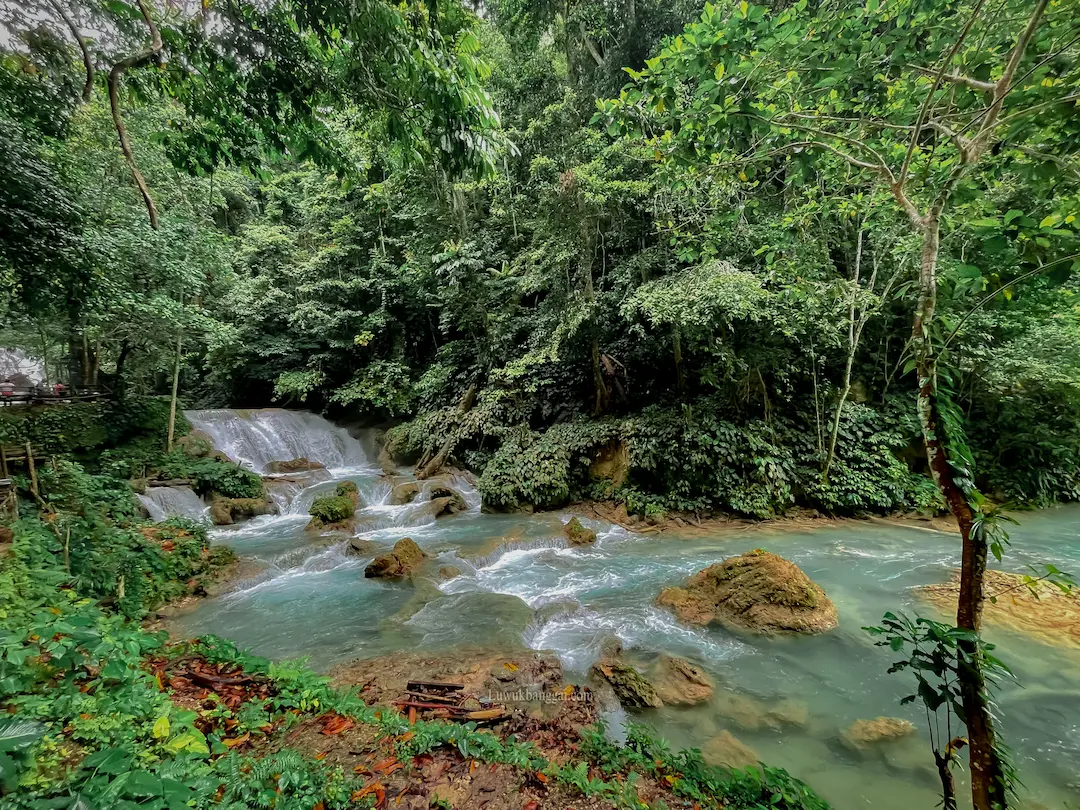
The drive itself is a good sign of things to come. The road runs through hilly terrain with trees on both sides and you genuinely feel yourself leaving the city behind. From the parking area, a 10 to 15 minute walk along a forest trail gets you to the waterfall. The path has some rocky stretches and patches of damp ground, so wear shoes with actual grip rather than whatever looks good.
What You’ll Find When You Arrive

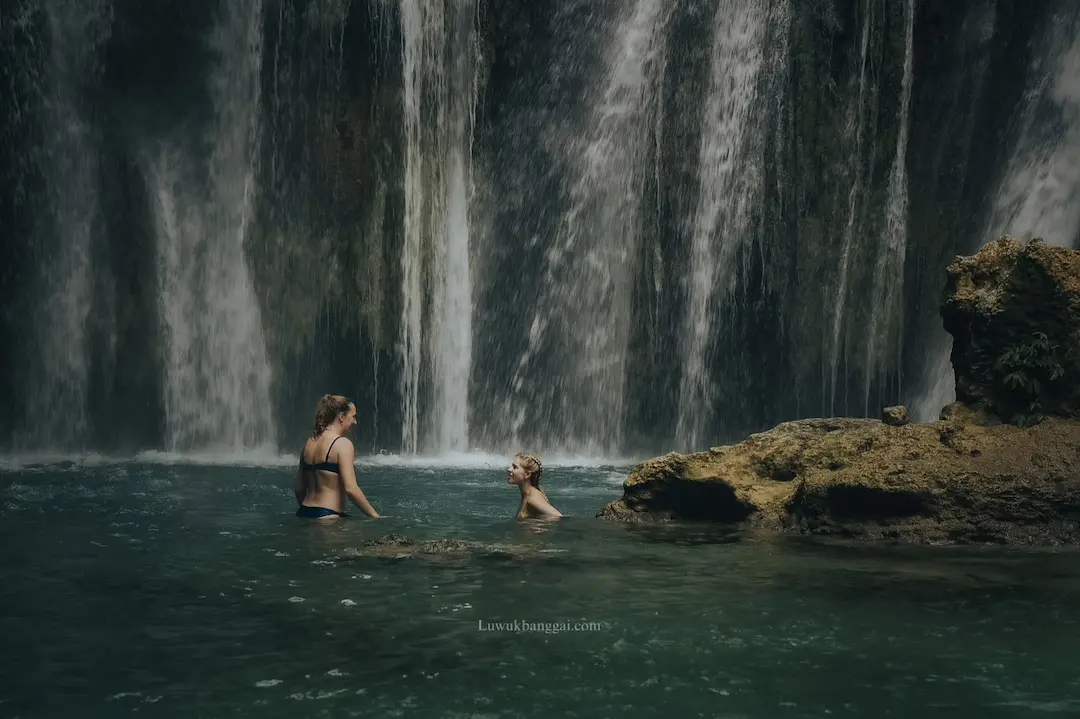
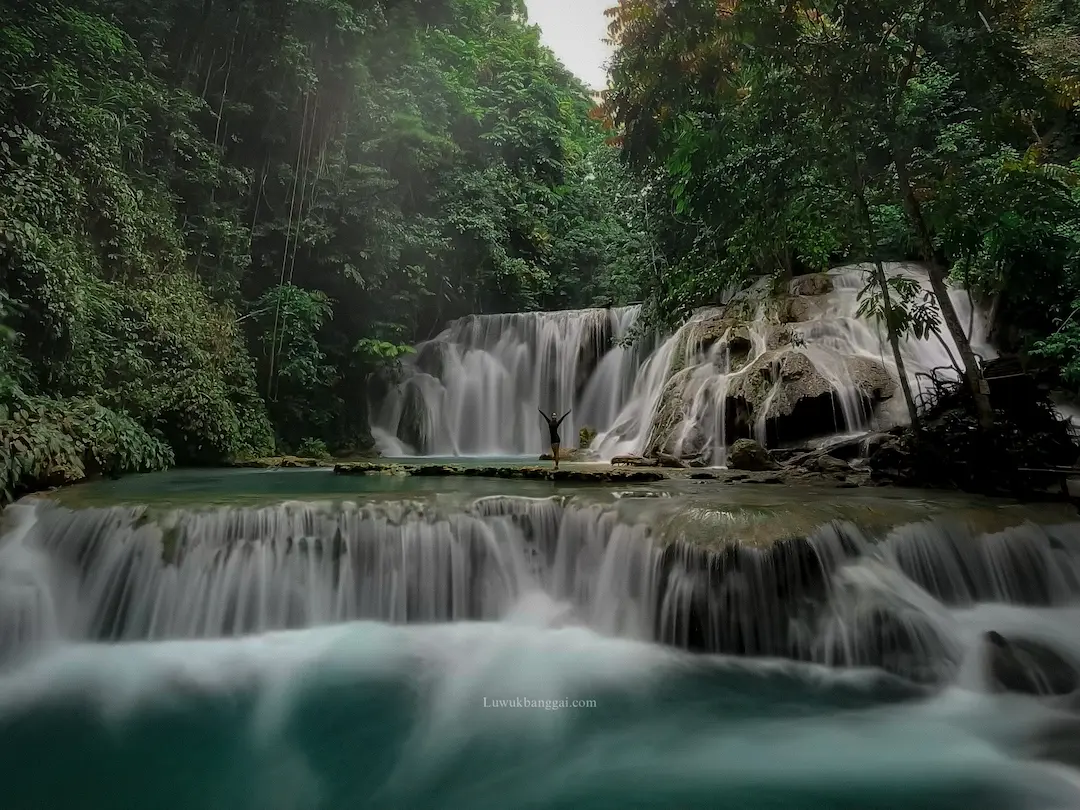
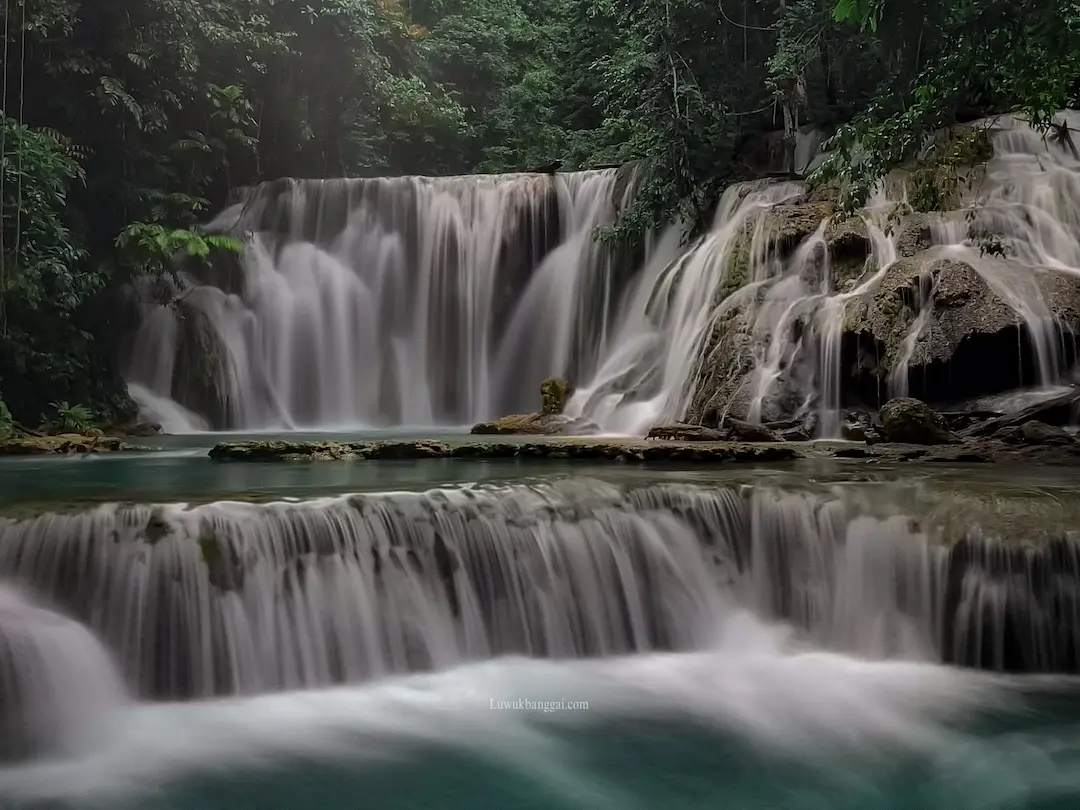
Piala doesn’t fall in a single sheet of water. It flows down in tiers, which gives it a layered, textured quality that most waterfalls simply don’t have. That tiered structure is a big part of why it photographs so well, and it also shapes the pool at the base. The water collects into a natural swimming hole that shifts between turquoise and jade green depending on the time of day and where the light is coming from. On a clear morning it genuinely stops people mid-walk.
First-time visitors almost always comment on how clear the water is. You can see straight to the bottom. It’s also noticeably cold, which after 15 minutes on a tropical forest trail feels like exactly the right reward.
The forest canopy keeps things cool and shaded, and the constant sound of the waterfall gives the whole place a sense of being cut off from everything else. Not in an dramatic way, just in the way that makes you realise how rarely you actually get proper quiet.
Piala hasn’t been discovered by the masses yet. It still has the kind of atmosphere where you can settle in, take your time, and not feel like you’re sharing your holiday with a tour bus. That won’t last forever, so it’s worth going while it’s still like this.
If you’re interested in other places around the region that haven’t been overrun yet, take a look at our guide to Luwuk Banggai hidden gems that most visitors miss entirely.
Entry Fees and What to Expect at the Gate
Piala is cheap. Here’s what you’ll pay:
| Item | Cost |
|---|---|
| Entry ticket per person | Rp 5,000 to Rp 10,000 (roughly USD 0.30 to 0.60) |
| Vehicle parking | Small additional fee set by local management |
| Facilities included | Parking area and access to the natural pool |
The price can shift slightly as local management adjusts it from time to time, but at this level it’s genuinely not worth thinking about.
Things to Do at Piala Waterfall
Swimming in the Natural Pool
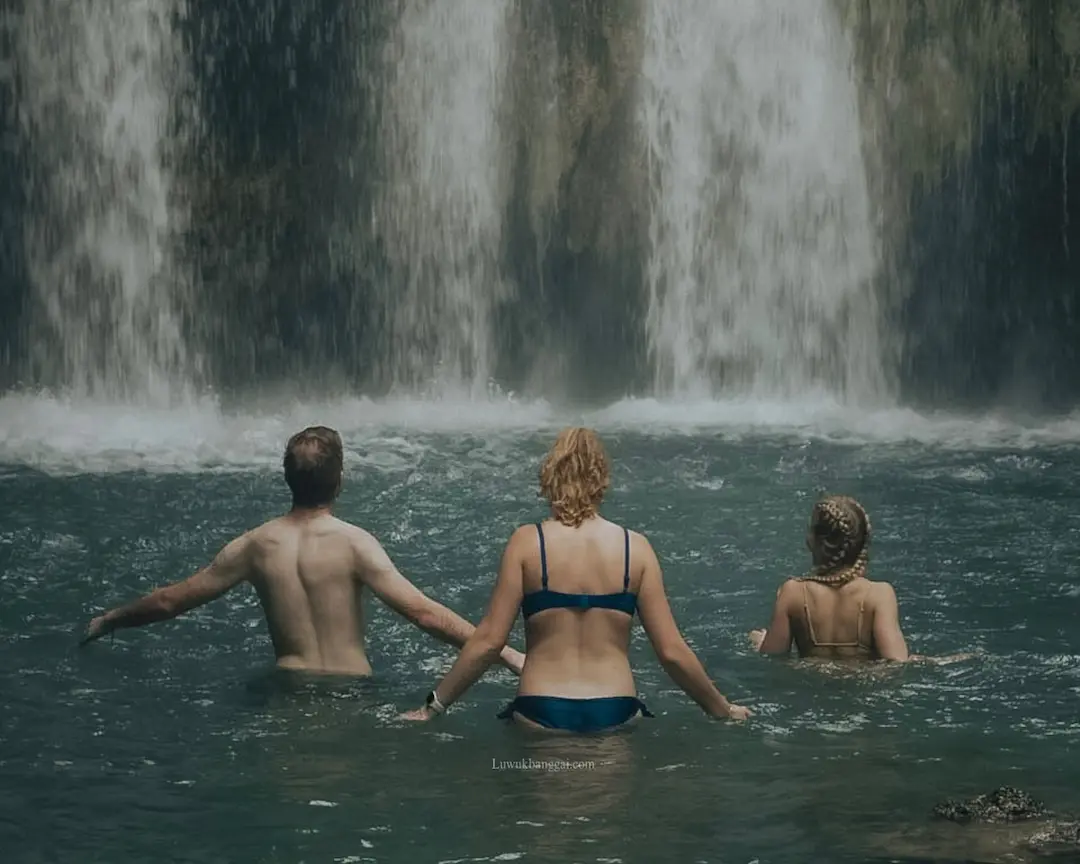
This is why most people come, and it delivers. The pool is cold, clear, and large enough to actually swim in rather than just stand around the edges. Families with younger kids tend to use the shallower sections while anyone who wants to swim properly heads further out. After a few sweaty days on the road, getting into that water feels like hitting a reset button.
Photography
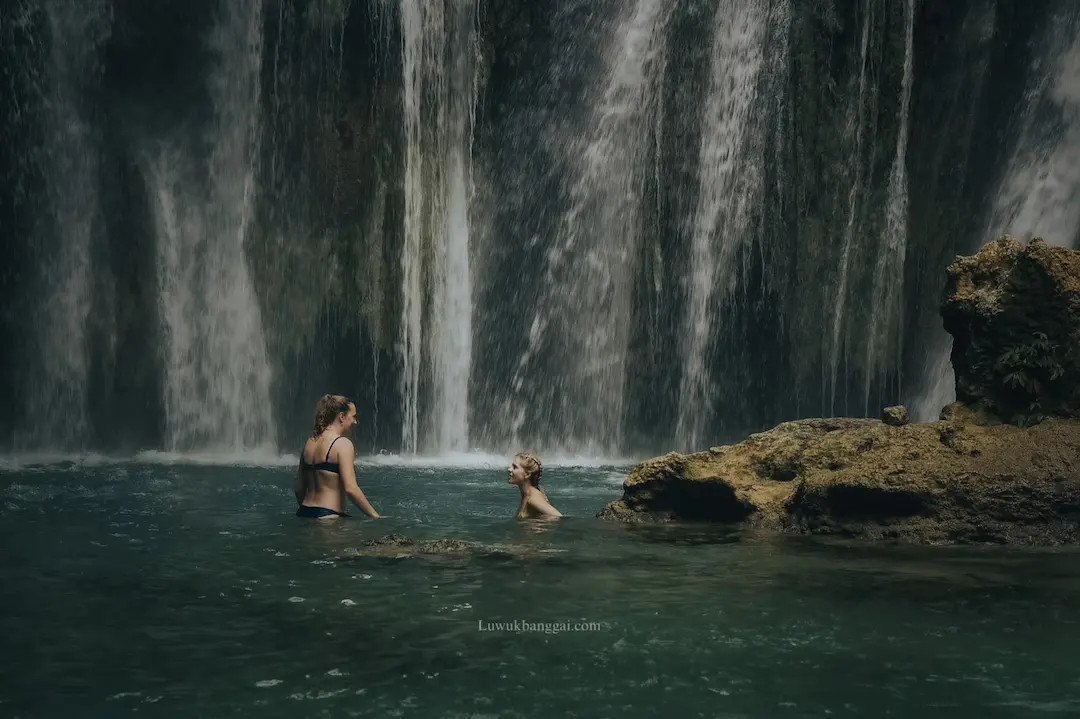
Piala is one of those places that looks good from almost any angle, which isn’t something you can say about every waterfall. The tiered drops give your photos a sense of depth and movement that a single-curtain fall can’t match. Show up in the morning when light is filtering through the canopy at an angle and you’ll come away with shots that look carefully composed. They’re not. The setting just works.
Taking Your Time and Switching Off
It sounds obvious, but this is genuinely one of the best things you can do here. Find a flat rock near the pool, sit with the sound of the water, and let the morning go. People who rush through Piala almost always say the same thing afterwards: they should have stayed longer. Budget at least two hours, ideally more.
A Day Out with Family
The trail into the waterfall is short and manageable for older children. The pool has shallow sections where kids can splash around safely with adult supervision nearby. Nothing about the place is exhausting or technically demanding, which makes it a comfortable option when you’re travelling with people of different ages or energy levels.
The Trail Itself
Most people treat the walk in as something to get through on the way to the waterfall. That’s a mistake. The trail passes through genuine tropical forest that’s worth paying attention to. Slow down a little on the way in. The destination is worth it, but so is the journey.
What to Pack
Getting this right makes a real difference:
- Shoes with grip. The rocks around the base of the waterfall get slippery fast, especially the ones right at the water’s edge. Sandals with straps or lightweight trail shoes are fine. Flat flip-flops are not. You’ll figure out why the moment your foot hits wet rock.
- A change of clothes and a dry bag. You will want to get in the pool. Pack a dry set of clothes for the drive back and something waterproof to stuff your wet things into.
- Cash for the day. Cover your entry ticket, parking fee, and anything you might want from vendors near the entrance. Once you’ve left Luwuk town, there’s no cash access.
- Food and water. A few small warungs operate near the entrance but don’t count on them for a proper meal, especially with a group. Bring your own snacks and enough water to stay hydrated in the heat.
- A bag for your rubbish. Pack it in, pack it out. The waterfall looks the way it does because visitors have generally been careful with it. Please keep that going.
Tips That Actually Help
- Get there before 10am. The light is better for photography, the air is cooler, and you’ll have far more space to yourself. On weekends especially, it starts filling up by midday.
- Go on a weekday if you can. Weekdays are quieter across the board. You’ll have a more relaxed time at the pool and better access to the best spots.
- Visit during dry season. This is the most important decision you’ll make about timing. Dry season runs from April through October. The water is clearest, the trail stays firm, and the whole experience is more comfortable. After heavy rain, the path turns muddy, the rocks get slippery, and the pool can go murky as sediment washes in from upstream.
- Avoid the day or two right after heavy rain. Even in dry season, a big downpour a day or two before your visit can affect conditions noticeably. If you have flexibility, waiting a day is worth it.
- Tell someone where you’re going. Standard advice for any nature excursion in Indonesia, and worth keeping as a habit regardless of how short the trip looks on paper.
Best Time to Visit Piala Waterfall
April to October is dry season in Central Sulawesi and the most consistent time to visit. The pool is at its clearest, the trail is in good shape, and the blue-green colour of the water looks its best in direct sun. If photography is a priority, visiting outside this window is a gamble.
Within dry season, arriving between 7am and 11am is the sweet spot. Morning light is softer and better for photos, the temperature is comfortable before the heat builds up, and the site is at its quietest. It also frees up the rest of your day for other things around Luwuk.
Visiting in the wet season is possible but unpredictable. Check conditions with locals before you go and be ready for a muddier, louder, more turbulent version of the place. It has its own character in that state, but the experience won’t match what you’ve likely seen in photos.
Frequently Asked Questions
How much is the entry ticket for Piala Waterfall?
Between Rp 5,000 and Rp 10,000 per person, depending on current pricing. That’s comfortably under a US dollar. Pay in cash at the gate.
How far is Piala Waterfall from central Luwuk?
About 15 to 30 minutes by motorbike or car, followed by a 10 to 15 minute walk from the parking area to the waterfall.
Is Piala Waterfall suitable for families with young children?
Yes. The trail is manageable for children who are comfortable on uneven ground, and the pool has shallower sections where younger kids can play safely. Keep a close eye on children around the rocks near the base of the falls as these get very slippery when wet.
Can you swim in the pool?
Yes, and most visitors do. The water is cold and clear. There are no changing rooms on site, so arrive already prepared with what you need.
What is the best time of year to visit?
Dry season from April to October, with morning visits between 7am and 11am being ideal. That combination gives you the clearest water, the best light, and the most peaceful conditions.
Pair Piala with More of Luwuk Banggai
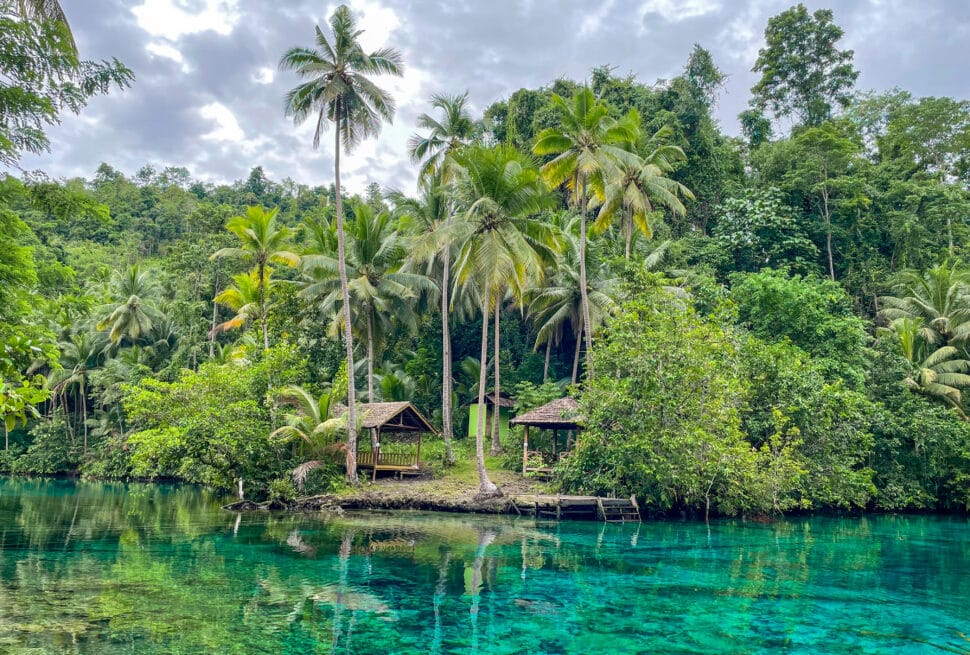
Piala works well as a standalone half-day trip, but if you have a few days in the region it makes sense to pair it with other spots nearby. Combining Piala with a visit to Paisu Pok Lake Banggai Island makes for one of the best back-to-back day trips in Central Sulawesi. The lake has a freshwater clarity that you really have to see in person to appreciate properly.
For travellers who want to explore further, our guide to adventure travel in Banggai Islands Sulawesi covers the full range of what’s possible across the archipelago, from diving and snorkelling to island hopping and trekking routes that most travel resources haven’t caught up with yet.
Luwuk Banggai Tours puts together packages that include Piala Waterfall alongside other highlights in the region. If you’d rather have someone handle the logistics while you focus on the actual trip, get in touch and we’ll build something that fits your schedule and travel style.