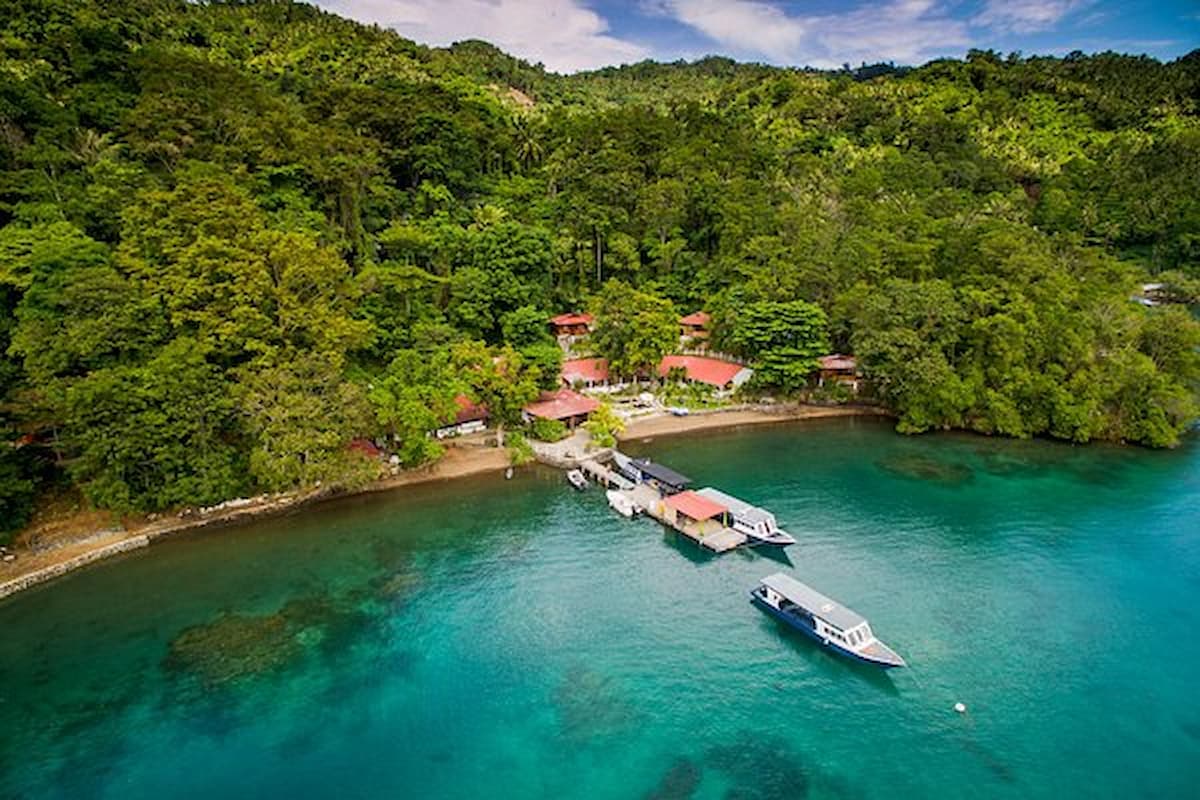
Sulawesi, Indonesia is no ordinary island. Its unique K-shape hides treasures of culture and nature you won’t find elsewhere. Beyond beautiful beaches and misty mountains, Sulawesi has a soul rich traditions and authentic local life that will make your trip super special!
In this guide you’ll get an insider’s tour of Sulawesi. We’ll cover must-see sights (from Toraja’s cliff burials to Bunaken’s coral reefs), local tips, and a ready made itinerary. Whether you love adventure, culture, or off the beaten path travel, Sulawesi has something unforgettable for you.
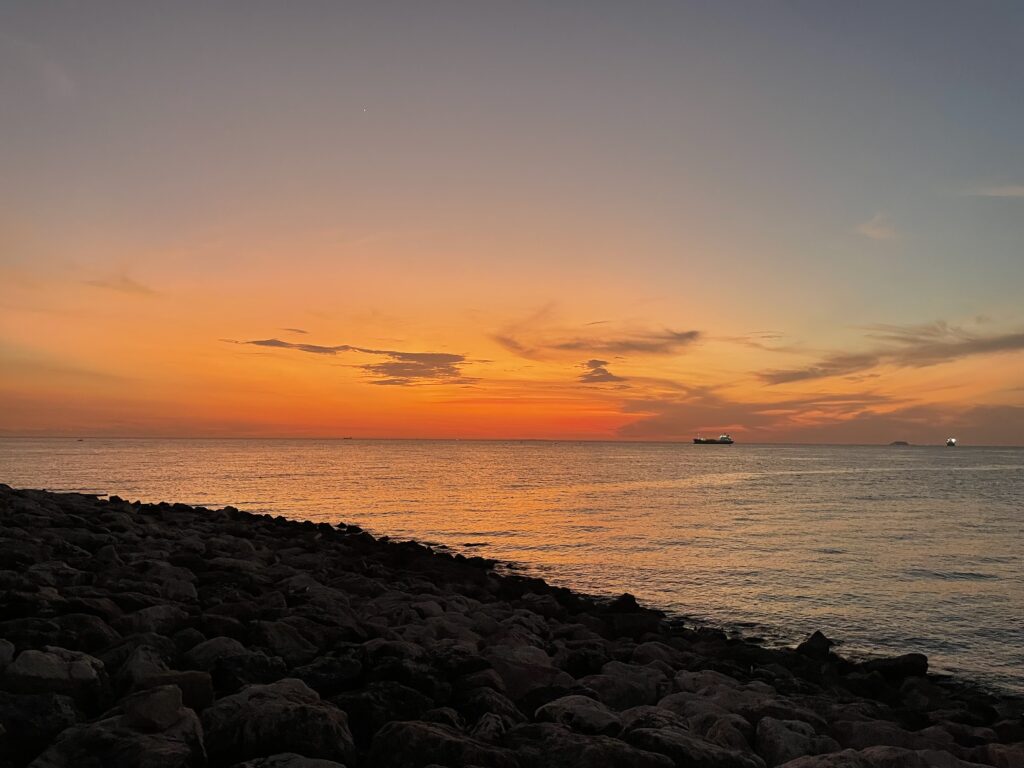
Why Choose Sulawesi Tour?
Sulawesi (formerly called Celebes) is very unique. From its wild coastline, misty mountains, ancient living cultures, to its colorful underwater, everything is pristine and not too crowded with tourists.
You can find everything in Sulawesi: lakes, mountains, indigenous culture, underwater paradise, megalithic history, etc. Seriously, this is no ordinary place. This is for travelers looking for an authentic experience.
Sulawesi at a glance
- Where
- Central Indonesia, east of Borneo, west of the Maluku islands
- Size
- About 174,000 km², the world’s eleventh largest island, larger than England and Scotland combined
- Shape
- Four long peninsulas around a mountainous middle, which is why travel here takes longer than the map suggests
- Main gateway
- Makassar (UPG) in the south, with Manado (MDC) serving the north
- Best months
- April to October for most of the island
- Realistic minimum
- 10 days. Two weeks is the comfortable version
- Why it is different
- Sulawesi sits east of the Wallace Line, so its wildlife exists nowhere else on earth
How long do you need in Sulawesi?
This is the question that decides everything else, and the honest answer is longer than most people plan for. Sulawesi is not a compact island. It is four peninsulas radiating from a mountainous centre, and the roads follow the coastlines rather than cutting across. A drive that looks like three hours on a map is regularly eight.
| You have | What fits comfortably | What to skip |
|---|---|---|
| 5 to 7 days | One region done properly. Toraja from Makassar, or Bunaken from Manado, or the Banggai Islands from Luwuk | Trying to combine north and south |
| 10 days | Two regions with one internal flight between them | Overland transfers longer than a day |
| 2 weeks | Three regions, the sweet spot. Makassar, Toraja, then fly to one island group | Nothing much |
| 3 weeks | South, centre and north, including the Togeans, which eat days | Rushing Toraja |
The single most common planning mistake in Sulawesi is treating it like Bali or Lombok. It is closer in scale to travelling the length of Italy, on roads that were not built for speed.
Best time to visit Sulawesi
For most of the island the dry season runs roughly April to October, and July and August are the most settled weeks of it. That is the short answer, and for a first trip it is the one to plan around.
The longer answer is that Sulawesi is big enough to have more than one climate. The north around Manado and Bunaken does not follow the same pattern as the south, and the eastern islands have their own moods. If your trip hinges on one specific place, plan for that place rather than for the island.
| Months | South and centre | North (Manado, Bunaken) | Islands (Togean, Banggai) |
|---|---|---|---|
| Apr to Jun | Dry, green, quiet | Good | Very good, seas calm |
| Jul to Aug | Driest, busiest, Toraja ceremony season | Good | Best conditions of the year |
| Sep to Oct | Dry, excellent value | Good | Very good, fewer people |
| Nov to Feb | Wettest | Wetter, diving still possible | Crossings get cancelled |
| Mar | Shoulder, improving | Improving | Improving, still unsettled |
The exception worth planning around
Toraja funeral ceremonies cluster after the rice harvest, which usually means July and August. These are not performances laid on for visitors, they are the most important events in Torajan life, and attending one with a local guide who has been invited is the experience people remember for the rest of their lives. If that is what draws you to Sulawesi, travel in those months and accept that the rest of the island is busy.
If you are heading for the Banggai Islands or the Togeans, the calendar matters differently. Rain is survivable. Wind is not, because your day depends on whether a small wooden boat can cross open water. Between December and February crossings are cancelled outright often enough that a fixed itinerary becomes a liability.
Things to do in Sulawesi
Sulawesi does not have one headline attraction the way Java has Borobudur. It has half a dozen completely different ones, spread across an island that takes days to cross. These are the experiences worth building a route around.
- Attend a Torajan ceremony. Cliff graves, tongkonan houses with boat-shaped roofs, and funerals that run for days. Nothing else in Indonesia resembles it.
- Dive or snorkel Bunaken. Vertical walls dropping into the blue, off Manado in the north, and reliable almost year round.
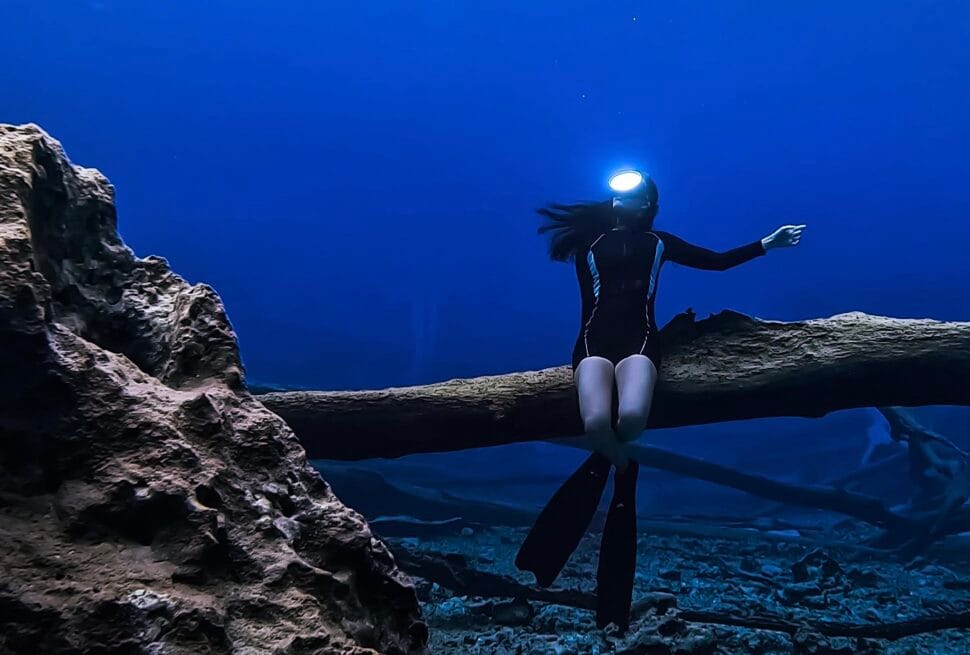
- Swim at Paisu Pok. A freshwater lake in the Banggai Islands so clear the drowned trees on its floor look suspended in air.
- Island hop the Togeans. Slow, hard to reach, and the reason people extend their trips.
- Snorkel with whale sharks at Gorontalo. Seasonal, wild, and in shallow water close to shore.
- Look for wildlife that exists nowhere else. Tarsiers in Tangkoko, maleo birds, anoa, babirusa, and the Banggai cardinalfish in its home reefs.
- Eat in Makassar. Coto Makassar, konro ribs, and grilled fish on the waterfront at Losari.
Our guide to nine places around Luwuk Banggai covers the eastern end of that list in detail, and the Banggai Islands travel guide covers the archipelago itself.
1. Makassar – Gateway to South Sulawesi
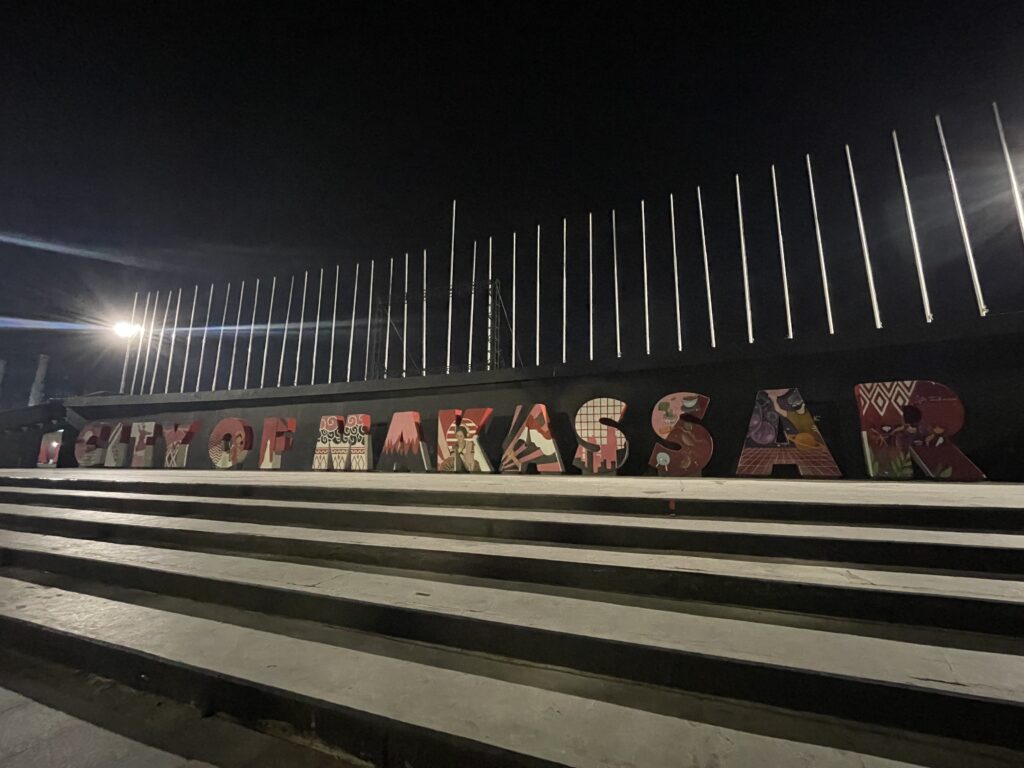
As the capital of South Sulawesi, Makassar is often the first place travelers land. The city has its own charm and history. Don’t miss trying Coto Makassar or Pallubasa (savory beef soups) at a local warung. Visit Fort Rotterdam for a glimpse of Dutch colonial history. In the evening, stroll along Losari Beach to catch Makassar’s stunning sunset.
Things to do in Makassar:
- Coto Makassar & Pallubasa: Hearty traditional soups.
- Losari Beach: Best sunset spot in Makassar.
- Fort Rotterdam: Well-preserved Dutch fort from the 17th century.
Budget: Local meals from IDR 20,000; budget hotels from IDR 200,000 per night.
Two secret islands which among famous among foreign travelers are Labengki Sombori islands of Sulawesi which you should definitely consider as once in a lifetime experience due to how remote and unexplored they are!
2. Tana Toraja – Traditional Culture & Ceremonies

Tana Toraja is famous for its unique cliff tombs and funeral ceremonies. The Torajan people live in hillside villages with saddleback-roofed Tongkonan houses. When a Toraja chief dies, elaborate rituals (sometimes including buffalo sacrifices) can last for days. Visitors can respectfully observe these events if invited.
Things to do in Toraja:
- Tongkonan houses: Iconic boat-shaped wooden homes. You are gonna love this!
- Burial sites: Cliff tombs with carved effigies (tau-tau).
- Pasar Bolu (Rantepao): Lively market, good for local snacks and crafts.
- Kambira Tree Grave: Unique burial of infants in a banyan tree.
Entrance ticket: around IDR 20,000 to IDR 40,000 per Venue
Cultural Rituals & Architecture
Toraja culture is like stepping back in time. See wooden tau-tau statues guarding tombs. Hear traditional funeral music and see the horn stacking at a royal funeral (more buffalo = higher status).
Tip: June to September (dry season) has frequent ceremonies. Hire a local guide or Couchsurfing host in Rantepao for deeper insight.
3. Lake Poso & Tentena – Nature & Healing
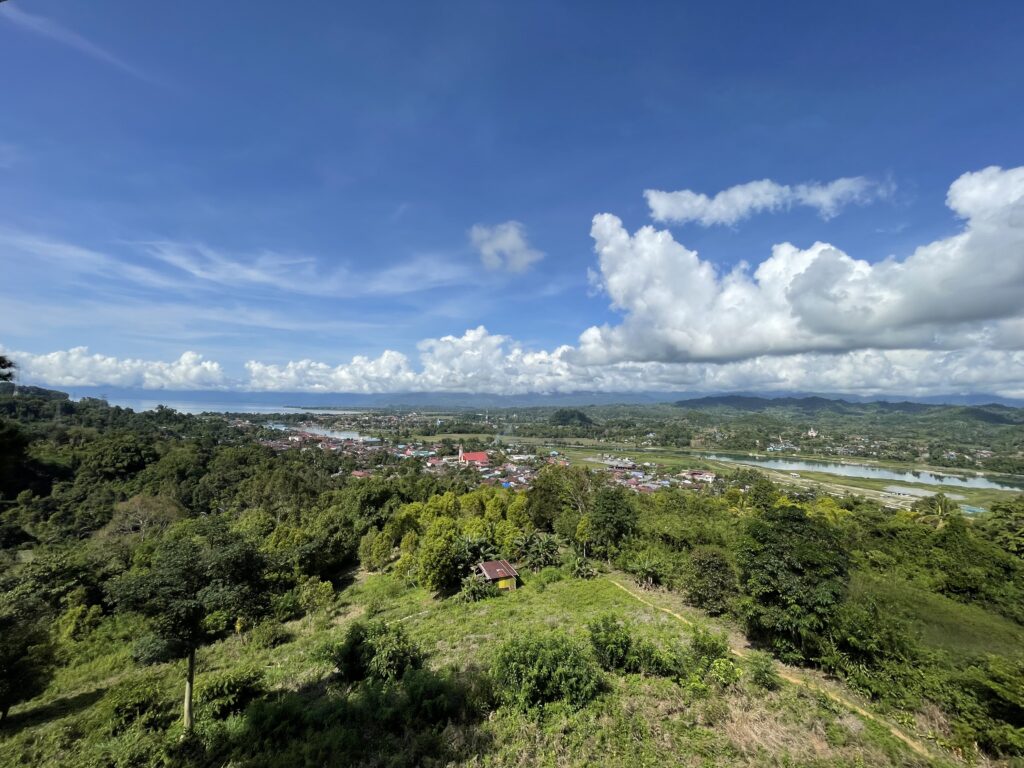
Tentena is a quiet town by Lake Poso, one of Sulawesi’s largest freshwater lakes. Uniquely, Poso’s sand is so fine it feels like a beach. The water is clear and warm.
- Lake Poso: Swimming, kayaking, and fishing on clear water.
- Saluopa Waterfall: Spectacular falls with lush jungle.
- Pamona Cave Church: Peaceful church built in a limestone cave.
- Padamarari Hill: Hike for panoramic views of Lake Poso.
- Bada Valley megaliths: Ancient stone carvings scattered in the valley.
Lake Poso’s tranquility makes it perfect for relaxation. Nearby are easy day hikes to Saluopa Waterfall. History buffs can see the mysterious anthropomorphic statues in Bada Valley (megaliths older than Egyptian pyramids).
Recommended accommodation in Tentena: Torau Resort (Hp / Wa: 082195959566)
4. Togean Islands (Ampana) – Island Paradise
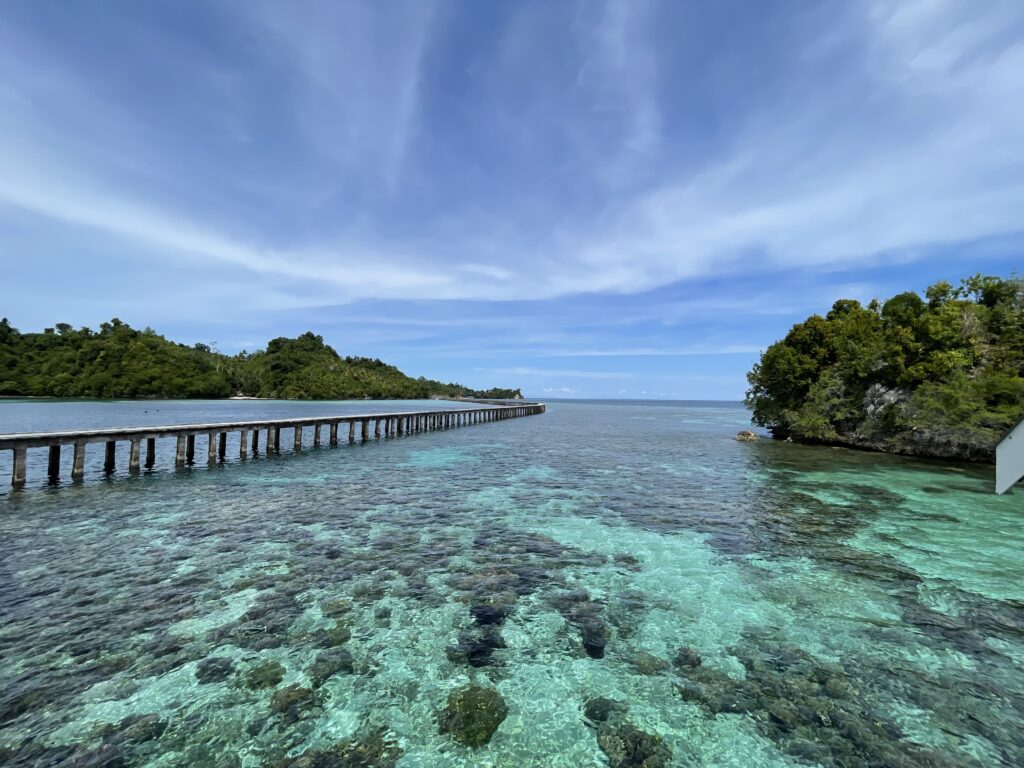
The Togean Islands (off Ampana) are a remote tropical getaway. Think Raja Ampat, but more affordable and uncrowded. Long wooden boats (prau) run daily from Ampana.
Things to do in Togean Island:
- Snorkeling & Diving: Incredible reefs and jellyfish lake (no stingers!).
- Kadidiri Island: Laid back beach camps and hammocks.
- Sunrise & Sunset: Unforgettable skies over calm water.
Think Raja Ampat, but more affordable and less crowded. It takes some effort to get here, but it’s totally worth it!
Cost
Ferry: IDR 60,000 – IDR 100.000
Private boat rental: IDR 700. 000++
Recommended hotels in Kadidiri Island:
- Backpacker: Lestari Togean Homestay (from IDR 300k/night Phone: 085259372660)
- Mid range: Black Marlin Dive Resort
- Luxury: Kadidiri Paradise Resort & Dive Center
5. Luwuk & Banggai Islands – Hidden Archipelago

Central Sulawesi’s Luwuk Banggai region is a hidden paradise. Luwuk itself is known as the “City of Water” for its many waterfalls and clear bays. From Luwuk you can reach the Banggai archipelago (hundreds of islands).
Planning to travel to Luwuk Banggai? Then read our updated guide on how to reach Banggai islands from Bali and Jakarta!
Things to do in Banggai Islands:
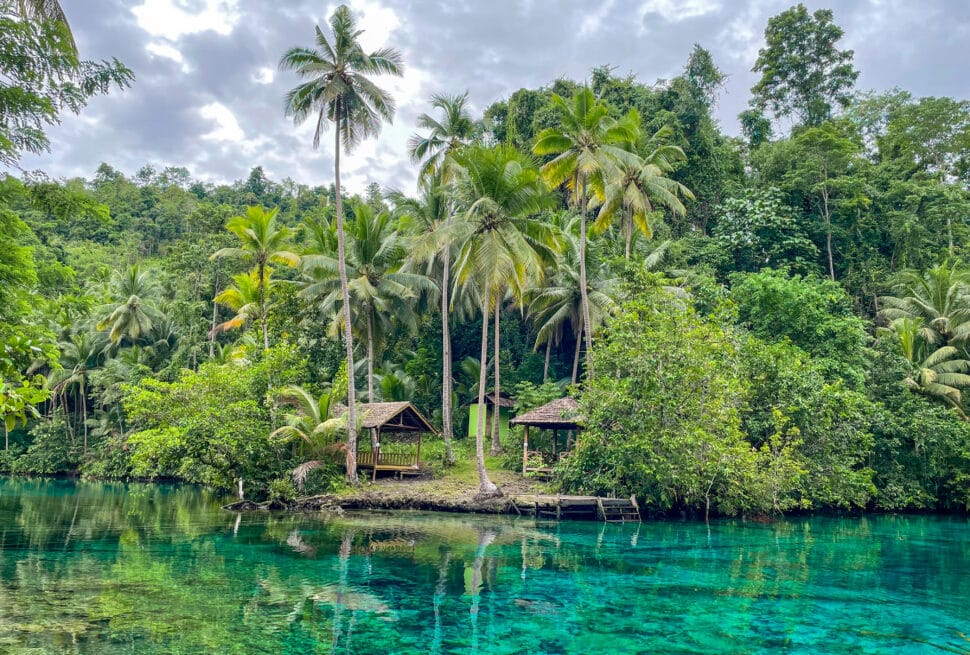
- Paisupok Lake (Banggai Islands): Turquoise crater lake with temples.
- Falls & Springs: Cupang and Mokokawa waterfalls near Luwuk.
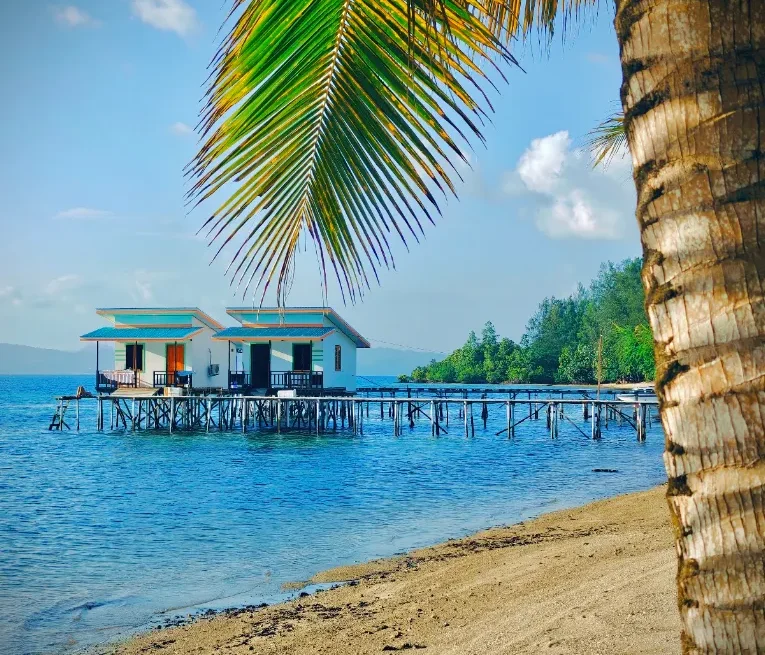
- Beaches: Remote beaches like Oyama, Bontolan, Pantai Puganda.
- Marine life: Some of Indonesia’s best macro diving (sea horses, critters).
Tip: Rent a scooter on Banggai islands for free exploration (bring fuel).
Island Waterfalls & Beaches
From Luwuk town you can drive 2 to 3 hours to Paisupok Lake which is the world’s clearest lake sacred to people here. In Banggai Laut, beaches like Bontolan and Oyama have smooth sand and coconut groves. The area’s underwater biodiversity rivals Raja Ampat but with far fewer tourists.
6. Manado & Bunaken – North Sulawesi gems
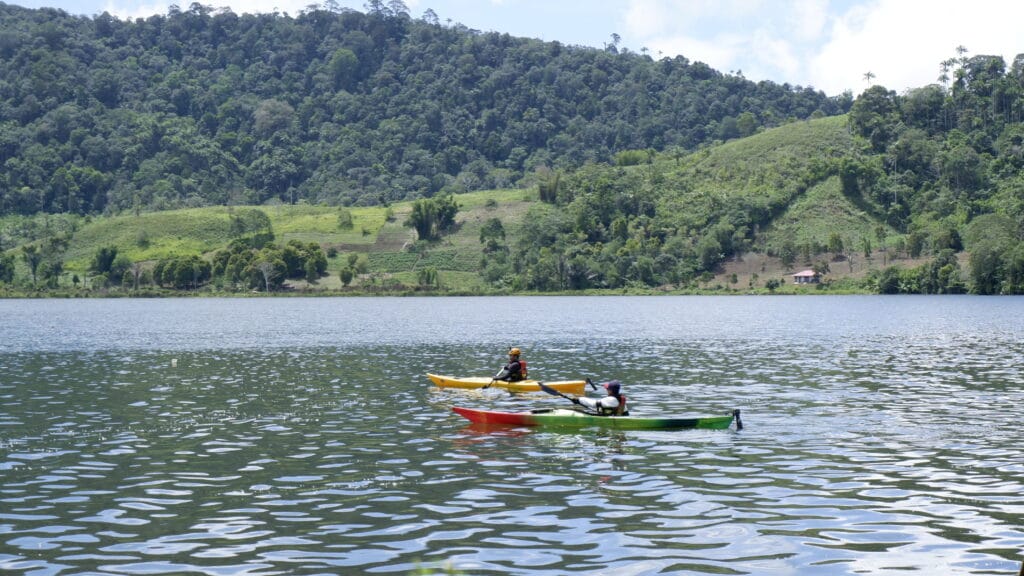
Northern Sulawesi is world-famous for its underwater parks. Base yourself in Manado city (Sulawesi’s largest city) or nearby Bunaken island.
- Bunaken Marine Park: One of the world’s best coral reef ecosystems, home to turtles and reef sharks.
- Nature Reserve: Visit Tangkoko to see black crested macaques, tarsiers, and hornbills.
- Tomohon: Mountain town known for its flower festival (August) and hot springs.
- Outdoor sports: Paragliding, rafting and kayaking around Manado.
A. Bunaken Marine Park
One of the best coral reef ecosystems in the world! Perfect for divers and snorkelers. You can see turtles, sharks, and thousands of colorful fish.
Entrance Fee: IDR 50,000 – IDR 150,000
Bunaken Diving tip: Book through a local operator such as Two Fish Divers or Froggies Dive Resort.
Best time to go: April to October
B. Outdoor Adventures in Manado (hiking Gunung Lokon, paragliding, SUP)
In the city of Manado you can take part in several outdoor activities such as paragliding, rafting, kayaking, stand-up paddleboarding (SUP), rappelling, and more.
Recommended tour operator: Cross Adventure Tours (IG: @cross.adventure_).
How to get around Sulawesi
Understand this and the rest of your planning falls into place. Sulawesi has one thing working for it and one thing working against it. In its favour, domestic flights are cheap and frequent. Against it, the roads follow the coast around each peninsula, so overland distances are punishing.
| Route | Realistic time | How |
|---|---|---|
| Makassar to Toraja | 8 to 10 hours | Bus or car, or a short flight to Toraja’s airport |
| Makassar to Manado | About 2 hours | Fly. Overland is measured in days |
| Makassar to Luwuk | 1 h 10 m | Fly, around five services daily |
| Manado to Gorontalo | 8 to 10 hours | Bus, or a short flight |
| Gorontalo to Ampana (Togeans) | About 12 hours | Overnight ferry |
| Luwuk to the Banggai Islands | 2 to 8 hours | Boat, depending on which island |
| Luwuk to Pagimana | About 3 hours | Car, for the Gorontalo ferry |
The practical version: treat Makassar as your hub and fly out of it rather than driving across the island. Two internal flights on a two week trip will buy you three or four extra days of actually being somewhere.
For the eastern end specifically, our guides to flights into Luwuk and the Luwuk to Banggai Islands ferries cover every route, time and fare.
What a trip to Sulawesi costs
Sulawesi is one of the better value destinations in Indonesia, largely because it has almost no resort infrastructure to inflate prices. The expensive parts are the flights getting here and the flights between peninsulas. Almost everything on the ground is cheap.
| Item | Typical cost | Note |
|---|---|---|
| Homestay or guesthouse | IDR 150,000 to 350,000 | Family run, often with meals |
| Mid range hotel | IDR 500,000 to 900,000 | Makassar, Manado, Luwuk |
| Meal at a local warung | IDR 25,000 to 50,000 | Excellent, and this is where the good food is |
| Domestic flight within Sulawesi | USD 35 to 90 | Book early, prices climb hard in the last fortnight |
| Public ferry between islands | Under USD 10 | Cash only, bought at the port |
| Guided day on the water | From USD 40 per person | Boat, guide, fuel and food |
| Two weeks, independent | USD 700 to 1,200 | Excluding international flights |
Is Sulawesi safe, and is it worth visiting?
Yes on both, and the second question deserves a more honest answer than the first.
Safety
Sulawesi is a normal, safe place to travel. The usual sensible precautions apply and very little else. Solo travellers, including solo women, move around the island regularly. The genuine risks here are practical rather than criminal: long road journeys on mountain roads, small boats in open water, limited medical facilities outside the big cities, and patchy phone coverage. Travel insurance that covers boat travel and evacuation is worth having, more so than in Bali.
Check your government’s current advice before you book, as with anywhere, and note that advisories occasionally single out specific districts rather than the island as a whole.
Whether it is worth it
That depends entirely on what you want from a trip. If you want beach clubs, reliable wifi and a short transfer from the airport to your hotel, Sulawesi will frustrate you and Bali will not. If you want a place where the ceremonies are real rather than staged, where you can dive a wall that drops into darkness and share it with nobody, and where the wildlife genuinely exists nowhere else on the planet, there is very little in Indonesia that competes.
Sulawesi asks more of you than most Indonesian islands and gives back more in return. That trade is the whole proposition, and it is worth being clear about it before you book.
Sulawesi itineraries by length
One week: pick one region
Fly into Makassar, spend two nights there and four in Toraja, or fly into Manado and give the whole week to Bunaken and Tangkoko. Do not try to do both. A week is enough for one region done well and nothing more.
Ten days: two regions and one flight
Makassar and Toraja for five nights, then fly east to Luwuk for the Banggai Islands, or north to Manado for Bunaken. One internal flight turns a cramped trip into a comfortable one.
Two weeks: the sweet spot
Makassar, Toraja, then fly to Luwuk for the Banggai Islands, then out through Makassar again. Or swap the Banggai leg for the Togeans if slow island time appeals more than clear water and reefs. This is the itinerary we would choose for a first visit.
Three weeks: north, centre and south
Add Manado and Bunaken at one end and the Togean Islands in the middle. Three weeks is what the island actually deserves, and it is the length at which you stop feeling you are rushing.
Recommended 14 Day Sulawesi Itinerary
Plan about 2 weeks to cover Sulawesi’s highlights. For example:
- Days 1-2: Makassar (cuisine, Fort Rotterdam)
- Days 3-6: Tana Toraja (culture, funerals)
- Days 7-9: Tentena & Lake Poso (healing, waterfalls)
- Days 10-11: Togean Islands (diving, snorkeling)
- Days 12-13: (Alternate) Luwuk Banggai (beaches, marine life) or back to Togeans
- Day 14: Fly to Manado or return to Makassar, end of trip
This route balances culture with nature. You can adjust days (e.g. more diving time or extra Toraja evenings) depending on your interests.
The east coast of Sulawesi,
the part almost nobody reaches.
Whale sharks at Gorontalo, an overnight crossing, cave pools, Paisu Pok Lake and the Banggai Islands. Six days, all private, every boat and transfer handled.
Price varies by group size
Conclusion & Planning Your Trip
Sulawesi offers something for every traveler: from sacred Toraja ceremonies to world class diving and hidden waterfalls. Ready to start your adventure? Contact us today to plan your Sulawesi trip with our local experts and make 2026 the year you explore this hidden gem.
If you are one of those people like me who doesn’t want to follow the common tourist trail of Bali and its islands then you are going to love Sulawesi, trust me!
Frequently asked questions about Sulawesi
When is the best time to visit Sulawesi?
April to October for most of the island, with July and August the driest and busiest. Toraja ceremonies cluster in July and August after the harvest. For the Banggai and Togean islands the same window applies, and the deciding factor there is wind rather than rain, because boat crossings stop when the sea is up.
How many days do you need in Sulawesi?
Ten days is the realistic minimum for two regions, and two weeks is the comfortable version. A week is enough for one region done properly. Sulawesi is roughly the size of England and Scotland combined, with roads that follow the coastline, so distances take longer than the map suggests.
Is Sulawesi worth visiting?
If you want ceremonies that are real rather than staged, reefs you will have to yourself, and wildlife found nowhere else on earth, yes. If you want beach clubs and short transfers, Bali will suit you better. Sulawesi asks more and gives back more.
Is Sulawesi safe for tourists?
Yes. Normal precautions apply and little else. The genuine risks are practical rather than criminal: long mountain roads, small boats in open water, and limited medical facilities outside the cities. Insurance covering boat travel is worth having. Check your government’s current advice before booking.
What is Sulawesi famous for?
Torajan funeral culture and cliff graves, the diving at Bunaken and Wakatobi, and wildlife that exists nowhere else because the island sits east of the Wallace Line. Tarsiers, anoa, babirusa, maleo birds and the Banggai cardinalfish are all endemic.
How do you get to Sulawesi?
Fly into Makassar (UPG) in the south, which has the most connections including a nonstop from Singapore, or Manado (MDC) in the north. There are no direct flights from Europe; you connect through Jakarta, Singapore or Kuala Lumpur.
Can you combine Sulawesi with Bali?
Easily. Denpasar to Makassar is one of the busiest domestic routes in Indonesia, with several flights a day and around an hour and a half in the air. Many people give Bali a few days at either end of a Sulawesi trip.