Why the Banggai Islands Should Be Your Next Sulawesi Escape
Luwuk is a coastal gateway town in Central Sulawesi, Indonesia with a picturesque harbor and friendly locals. From here you can explore the remote and beautiful Banggai Islands, a lesser known archipelago rich in nature (maybe not so unknown after my blog!). The region is home to Paisu Pok (Paisupok) Lake, an amazingly blue crater lake, as well as clear beaches, jungle caves, waterfalls, and unique wildlife. Unlike Bali’s busy resorts, Banggai’s islands are kinda off the beaten path and not overrun by tourism, giving giving you a truly authentic experience. Many people come for diving and snorkeling but even simple activities like paddling in Paisu Pok Lake or hiking to a hilltop viewpoint are top notch!
How to Get There: Flights, Ferries & Local Transport
Reaching Luwuk (the main town in Banggai Regency) requires a bit of planning. Okay maybe I am under exaggerating, you need lots of planning!
The only airport is Luwuk Airport (LUW), which has multiple daily flights from Makassar on carriers like Batik Air or Lion Air. You can book a flight via Makassar (the South Sulawesi capital) when coming from Jakarta, Bali, or Singapore. If you’re coming from Jakarta, you’ll connect through Makassar first. (There used to be direct flights from Manado or Palu, but currently most connections go through Makassar.)
International travelers can fly to Makassar (or Jakarta/Bali) and then catch the domestic flight.
Alternatively, adventurous (insane?) travelers can drive from Ampana (on the west coast, near the Togean Islands) or Palu, but that involves a long overland journey. Do not try this if you are short on time and patience!!
Once in Luwuk, local transport is easy. Taxis operate in town for example GoJek works in Luwuk and there’s a local “Draiv” app. If you land at the airport, taxi drivers are waiting (we paid about 50,000 IDR to get into town).
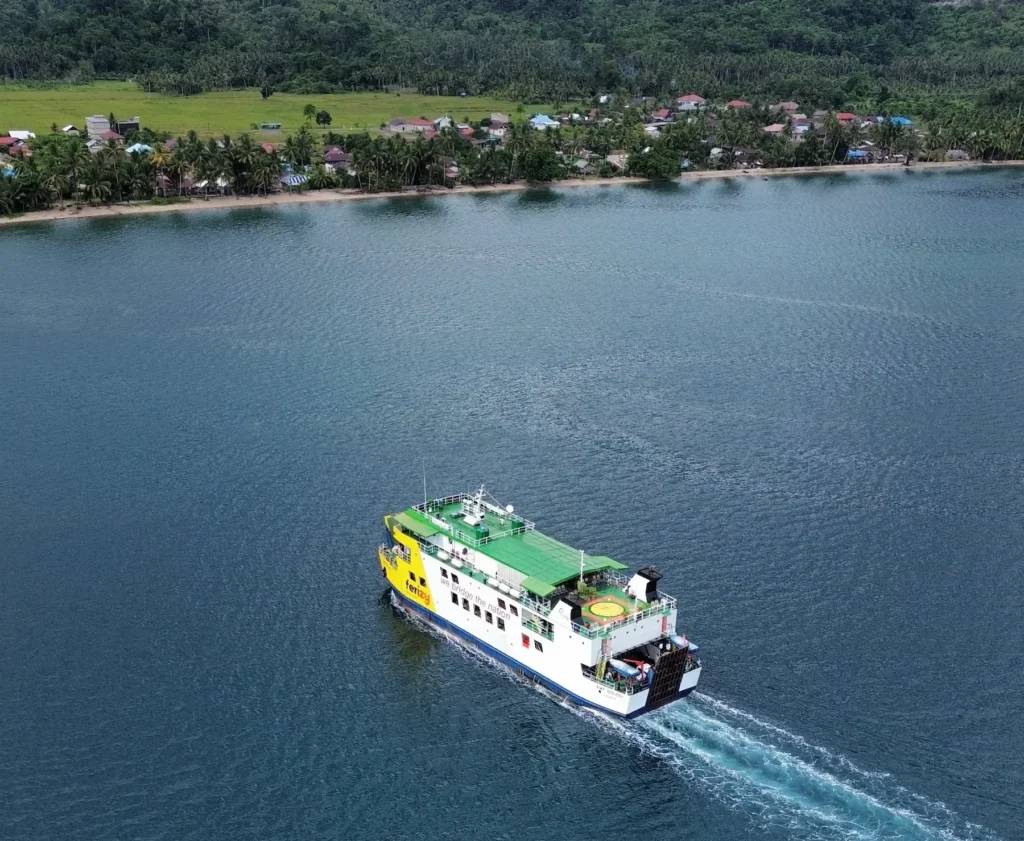
To reach the islands, the public ferry system is key. From Luwuk People’s Port (Pelabuhan Rakyat) you can take a daily ferry to Peleng Island. The ferry departs around 2 PM every day and reaches Leme Leme village (Peleng) in about 2 hours. The boat is an old wooden ferry (big enough for ~50-100 passengers) with benches or private cabins (extra cost) for the ride. Tickets can be bought on the spot for approx 50k IDR ($3 USD). (If you prefer speed, private speedboats are available, but they are much more expensive and usually rented by groups for day trips to spots like Paisu Pok Lake.)
There’s also a ferry from Luwuk to Banggai Island (Salakan). The typical schedule is a daily 4 PM departure from Luwuk to Salakan, taking around 3.5 to 4 hours (about 75K IDR per person). If you visit Peleng and want to return, there’s an 8 AM ferry back from Leme Leme to Luwuk (also 2 to 3 hours). Finally, to leave Banggai Laut (the eastern islands), a large ferry sails from Tobing (Bangga Laut) to Luwuk daily at 1 PM (around 8 hours travel). In short, ferries tie the islands together: Luwuk-Peleng at 2 PM, Luwuk-Salakan at 4 PM, and Banggai Laut-Luwuk at 1 PM, all of which you can generally catch without advance booking.
For reaching other islands or regions beyond Banggai, you can hire local drivers or shared minivans. For example, a travel car share service can be arranged to Ampana (to visit the Togean Islands) if needed. Local hotels/homestays and tour operators can organize these and other rides.
While you’re loving the Banggai Islands’ vibes like a quieter Flores or Komodo, check out nearby Labuan Bajo for dragons and epic dives in 2026!
Top Attractions & Activities
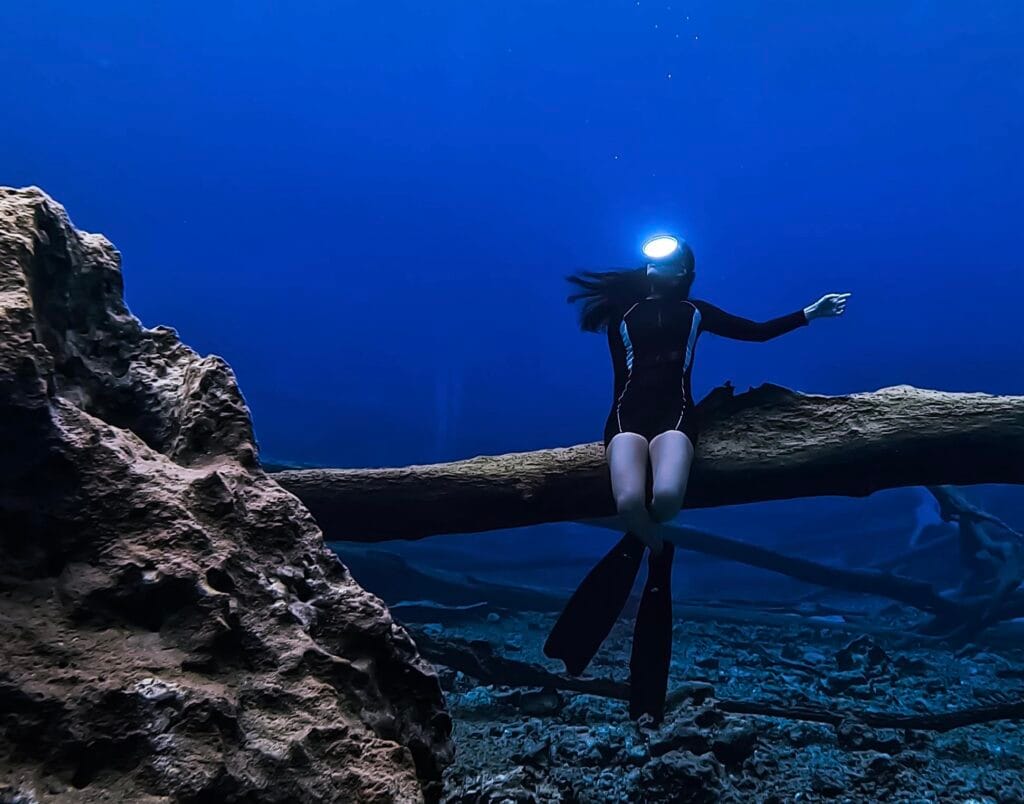
The Banggai region is all about natural beauty. Here are some of the highlights and things to do:
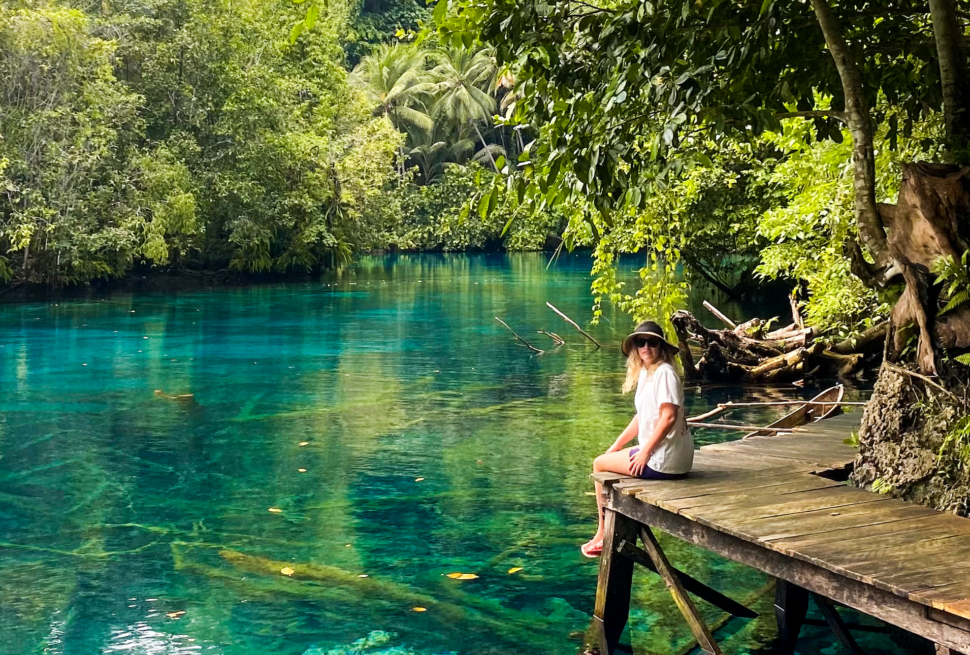
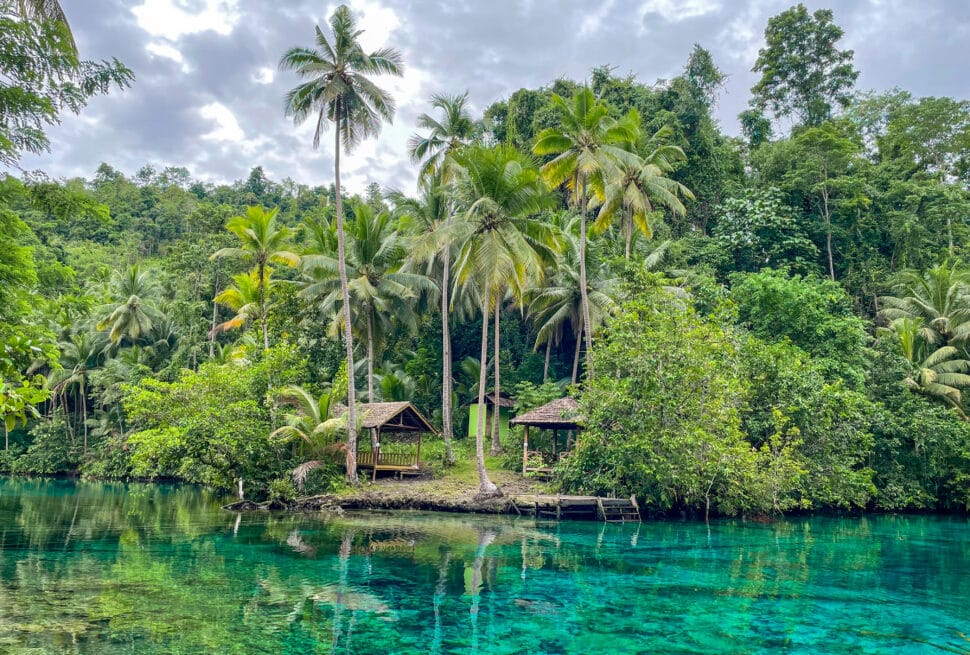
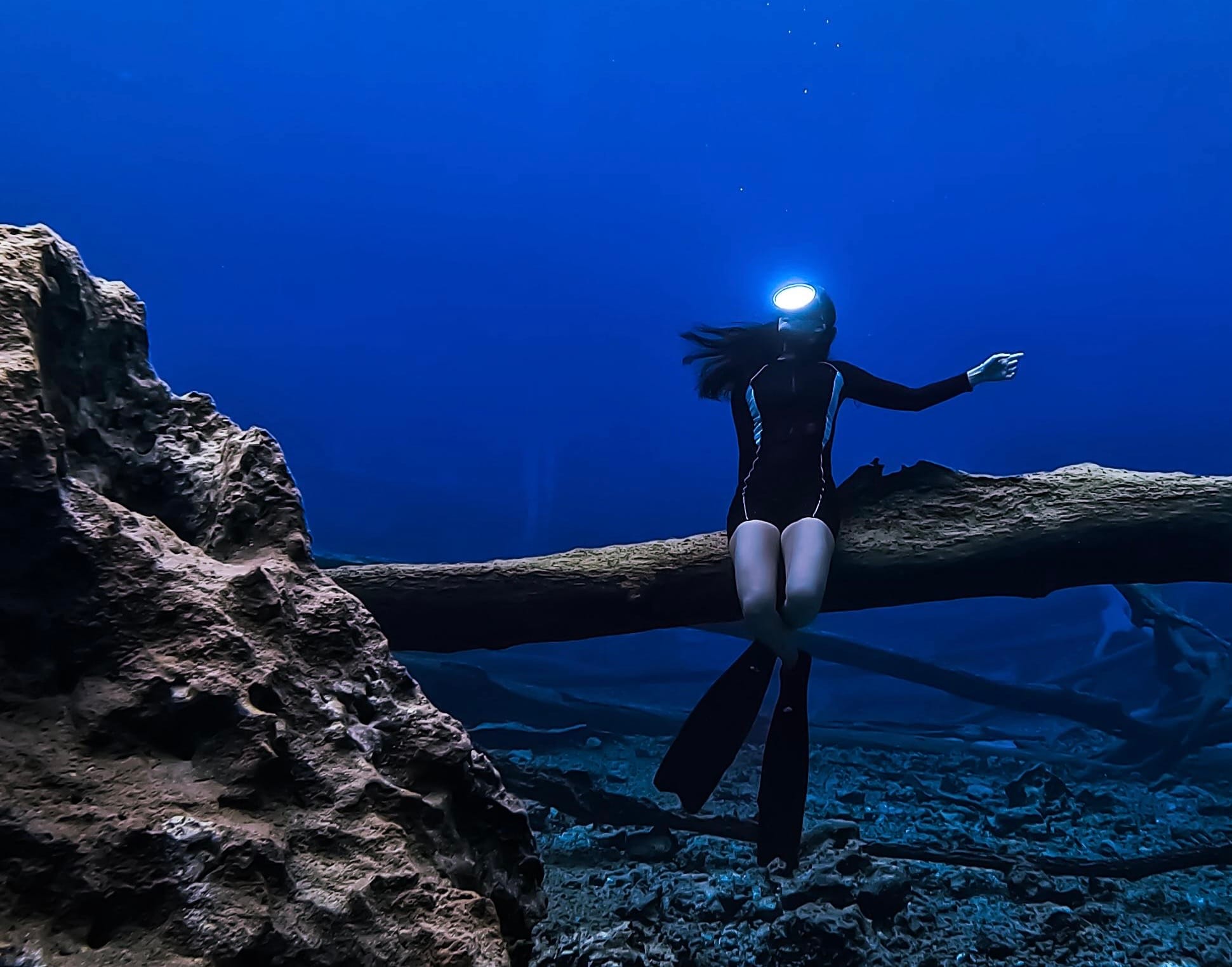
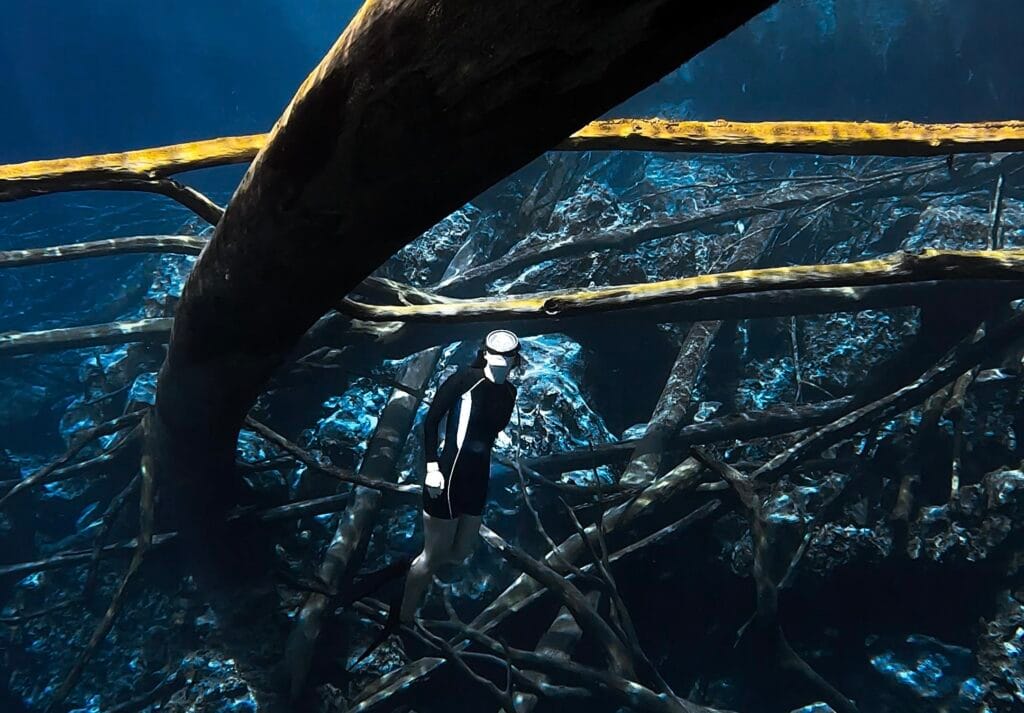
- Paisupok Lake – A breathtaking emerald blue lake on western Peleng Island. You can rent a paddleboard, kayak, or simple boat to explore its calm waters. This lake is truly as amazing as it looks in photos. Bring a camera! (It’s often touted as the #1 attraction of Banggai islands.)
Oh and its the bluest lake of Indonesia! - Secret White Sand Beaches You’ve Never Heard Of – There are many quiet white sand beaches.
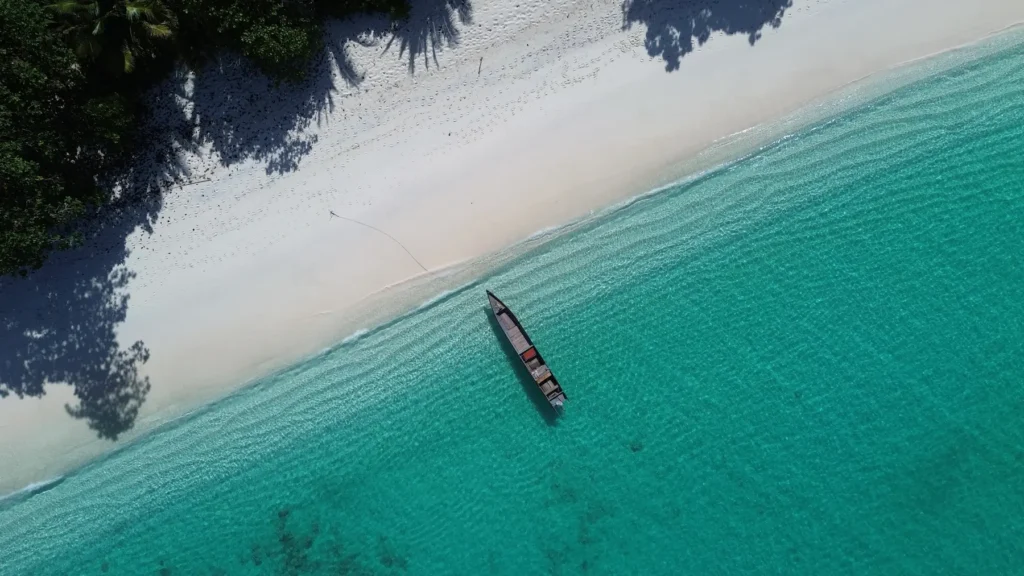
Mandel Beach and Oyama Beach (near Salakan) are top spots for swimming and sunbathing.
On Banggai Laut, Pompon Beach and Bone-Pompon Beach are stunning hidden coves (reached by boat from Salakan). Shorelines like these are perfect for a picnic or just soaking up the view. Most people I have met absolutely loved these beaches! - Waterfalls around Luwuk – The area near Luwuk has several nice falls. Piala Waterfall is the must see which is a big turquoise cascade with multiple levels, just 15 minutes drive from town. It’s refreshing to swim in the pools below the falls on a hot day. Nearby, Laumarang Waterfall is a second cascade a bit farther up the same road where you hike past Piala to reach it. (For adventurous travelers, continue hiking from Laumarang to see a third waterfall, Akar Darah.)
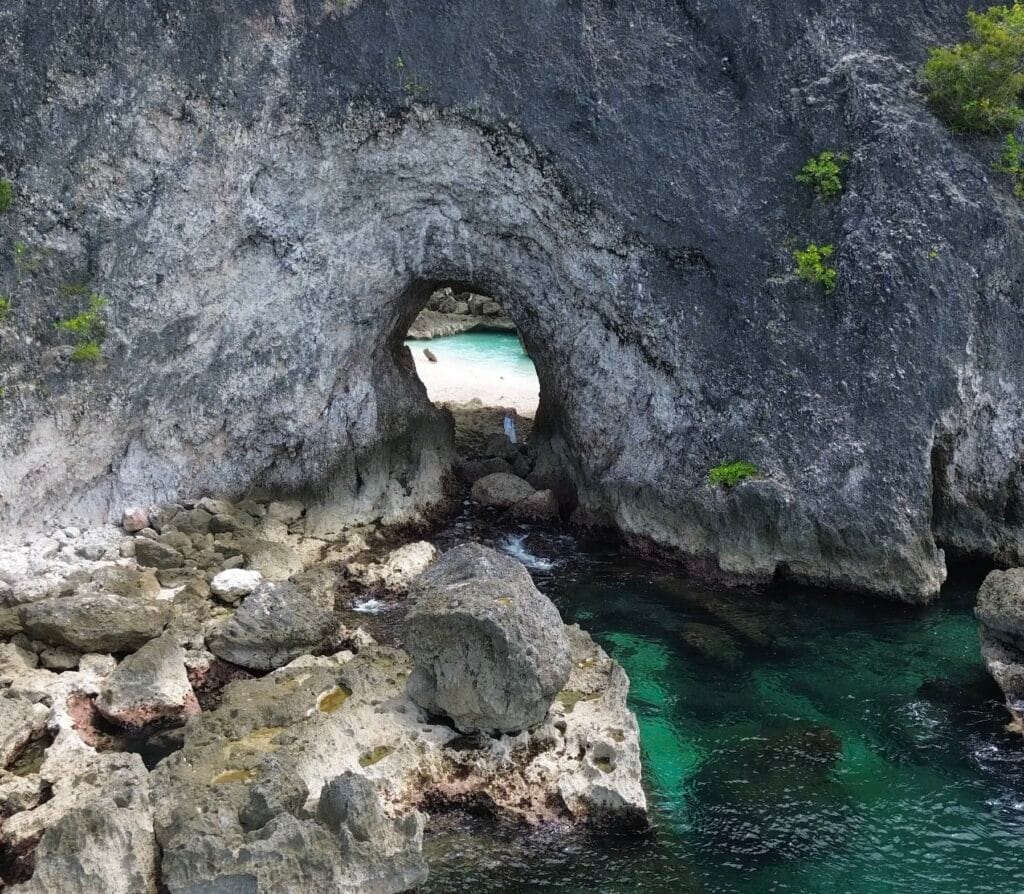
Other falls include Kamumu (hiking required to reach) and Dendengan (on the way from the airport; seasonal), plus the somewhat developed Salodik Waterfall. Note: many local waterfalls dry up in the low season (Sept-Jan), but Piala usually has water year-round. - Caves and Caveside Pools – Explore limestone caves like Gua Bab’banang on Peleng, which features a cobalt-blue pool inside. Guided tours can take you spelunking for a dose of adrenaline. (These caves are not known by many and well worth a visit if you have time.)
- Scuba & Snorkeling – The Banggai area is superb for underwater life. Snorkelers and divers can spot colorful coral gardens, turtles, and reef fish (including the endemic Banggai cardinalfish in nearby seas). Popular dive sites include reefs near Pulau Dua, a small volcanic island off Luwuk reachable by a short boat trip (about 2.5 hr drive plus 15 min boat). Pulau Dua offers steep shore dives and lots of marine life for a day out.
- Village Life – Don’t miss a walk through Luwuk or island villages to see local villagers and how they live, people are unbelievably nice! In Luwuk town you’ll find markets with tropical fruits and fish stalls. On some islands, Bajau (sea gypsy) communities live on stilt houses by the water. If you’re lucky, a local festival or market may coincide with your visit. (The warm, welcoming locals often greet visitors with smiles though be firm if you don’t want help carrying your bags at the port as sometimes some people try to make some money this way!)
5-Day Banggai Island Hopping Itinerary
Many people put these highlights into an island hopping itinerary. Here is how you can plan a 4 to 5 day Banggai island tour:
- Day 1 (Luwuk to Salakan): Arrive in Luwuk, then catch the 4 PM ferry to Salakan (Banggai Island). Overnight in Salakan.
- Day 2 (Beaches): From Salakan, drive ~2 hrs to Kalumbatan harbor and take a short speedboat to Oyama Beach. In the afternoon, visit Mandel and Pompon beaches by road. Overnight back in Salakan.
- Day 3 (Paisu Pok): Travel overland (~2-3 hrs) from Salakan to western Peleng. Spend the day kayaking or swimming in Paisu Pok Lake (and nearby Panganda Beach and Paisu Batango lagoon). Overnight in Leme Leme (Peleng).
- Day 4 (Luwuk Waterfalls): Take the 8 AM boat from Leme Leme back to Luwuk (about 2-3 hrs), then visit Piala Waterfall and nearby falls. Overnight in Luwuk.
- Day 5 (Departure): Fly out of Luwuk Airport or continue overland to Ampana (for Togean Islands).
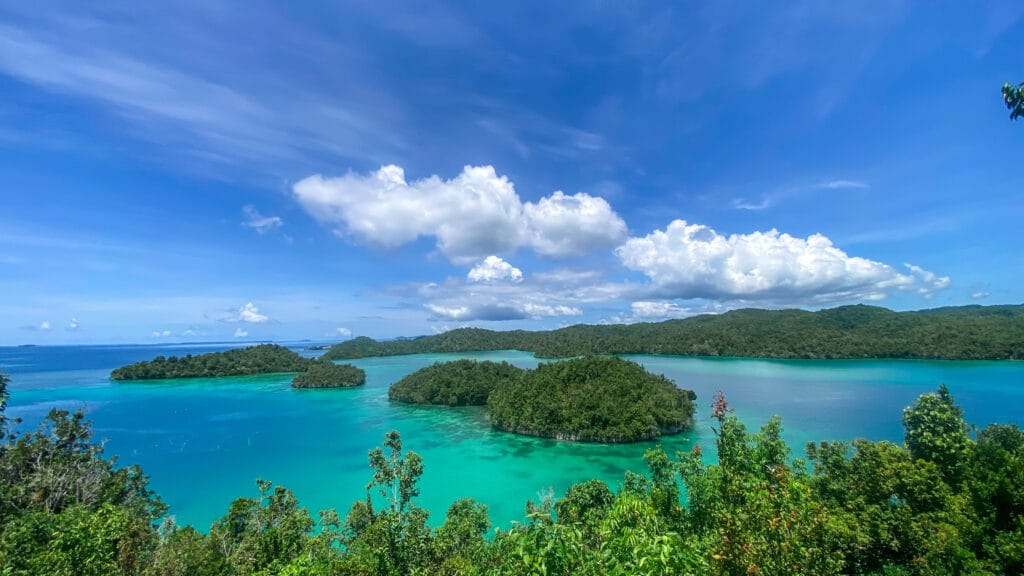
My itinerary covers lakes, beaches, and waterfalls (and even an island hike) in a few days. Guided tours or local packages can handle all logistics. If you want to be guided, companies like ummm my own LuwukBangai.com or HV Trip offer Banggai island tour packages, and freelance guides can arrange custom trips (we also do arrange custom trips!).
But you can also do everything independently and many travelers self-arrange homestays, boats, and drivers with the helpful contacts found online. Well we can also recommend you homestays if you really wanna do banggai islands on your own, no worries! Just send us a message…
Plan for these before your arrive here
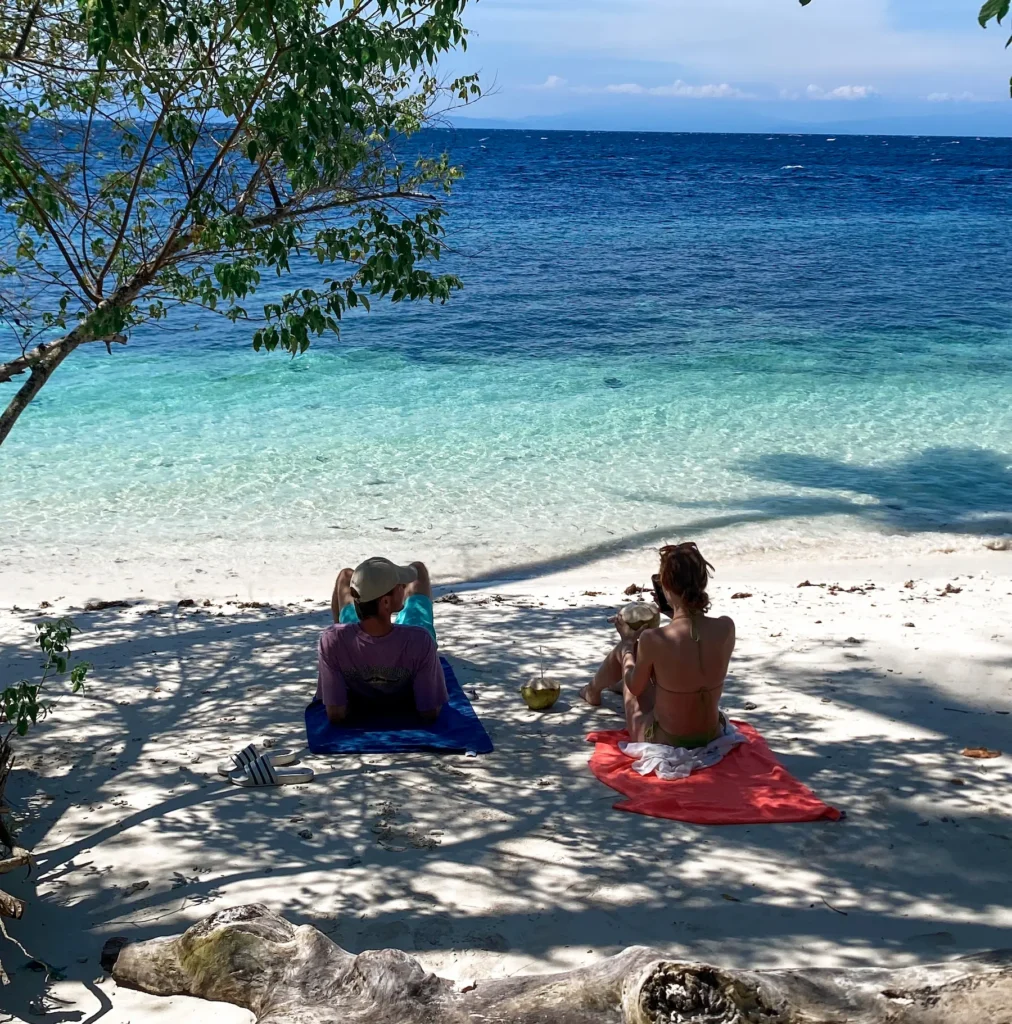
- Weather & Seasons: Banggai doesn’t follow the usual Indonesia pattern. The driest, calmest months are roughly October to December, even though much of Indonesia is dry Apr-Nov. In fact, our own guides have reported rain in middle of freaking year! Waterfalls often shrink in September-January, whereas Piala typically still flows well. Paisu Pok Lake looks good any time, but it’s best on sunny days. (Avoid major Indonesian holidays if possible, since even these remote spots can get busy on long weekends.)
- Cash & Cards: Banggai isn’t Bali and most places only take cash. There are ATMs in Luwuk (including the airport) and Luwuk Laut, but not everywhere. So bring enough rupiah (IDR) for boats, taxis, hotels, and meals. We found we could only use credit cards for flights and top end hotels, everything else (ferries, homestays, local restaurants) was cash only.
- Language: Few locals speak English. Download local Indonesian language pack on google translate app on your android/iphone or
Windows Phonesigh…oh how I miss you my windows Lumia!
Google Maps often doesn’t have all ferry schedules or place info, so it helps to save contacts beforehand. or you can just ask us 😉 - Electricity & Wifi: Expect 24/7 power in towns like Luwuk, Salakan, and Banggai Laut. In remote areas (like Mbuang-Mbuang), lights may only work 6 PM-6 AM. Cellular coverage (Telkomsel) is surprisingly reliable across the region, though weak in the hills. Wi‑Fi is usually only in guesthouses and hotels (don’t count on finding it in villages).
- Transport Apps: In Luwuk you can use GoJek and the local Draiv app for taxi rides or food delivery. (There is no Grab service here.) For airport transfers, just flag a taxi outside. We paid 50k IDR for our ride from Luwuk airport to town. For island hopping, boats are arranged on-site and no advance booking needed for public ferries, but for private speedboats you can contact your hotel or a guide the day before.
- Accommodations: Lodging is basic but clean. Options include guesthouses and homestays run by locals. In Peleng, Novpitri Homestay in Leme Leme (right by the Peleng harbor) is popular, and basic “A/C” rooms start at ~200k IDR/night. In Salakan there are a few modest hotels (Wisma Teluk Bayur etc.). In Luwuk town you’ll find a few hotels with air-con (e.g. Hotel Kota), generally for 300k+ per night. Many places offer home-cooked meals with rice, veggies, and fish for cheap. If you crave Western food, Luwuk even has a KFC and Pizza Hut.
- Local Customs: When boarding ferries, insist on carrying your own luggage. We met many travelers who were constantly “helped” by porters trying to grab their bags (often as a prelude to demanding payment). Keep a firm grip on your gear. Be friendly and patient as most locals are very welcoming, if a bit shy. In small villages, modest dress (covering shoulders/knees) is appreciated.
- Safety & Health: No major health risks here other than sun exposure and mosquitoes. Bring reef-safe sunscreen and a hat. Mosquito repellent is wise for evenings. The waters are generally clean and not jellyfish-infested (unlike nearby Raja Ampat); we didn’t encounter any dangerous wildlife on land either.
Bali vs Luwuk Banggai: Which one to choose?
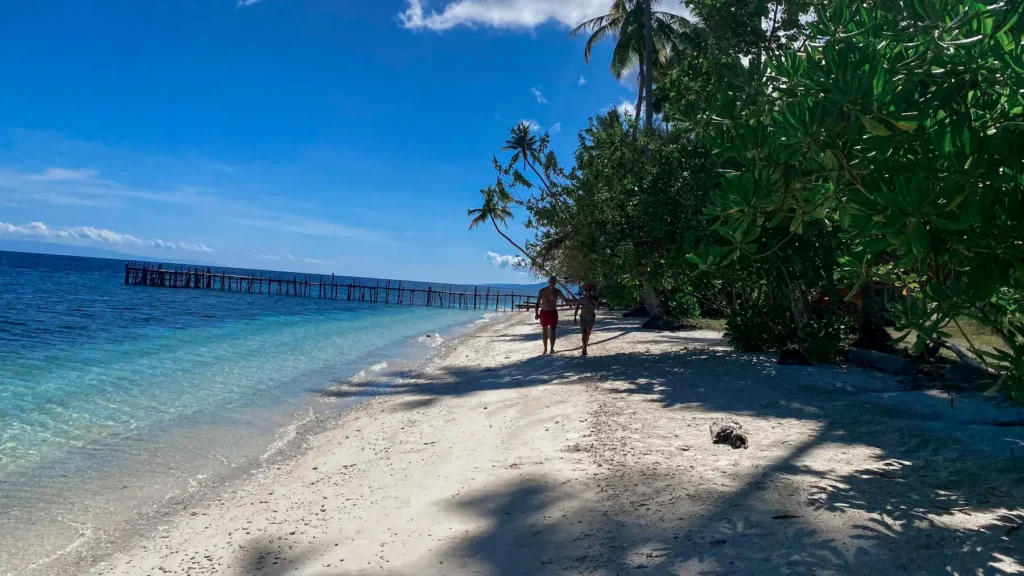
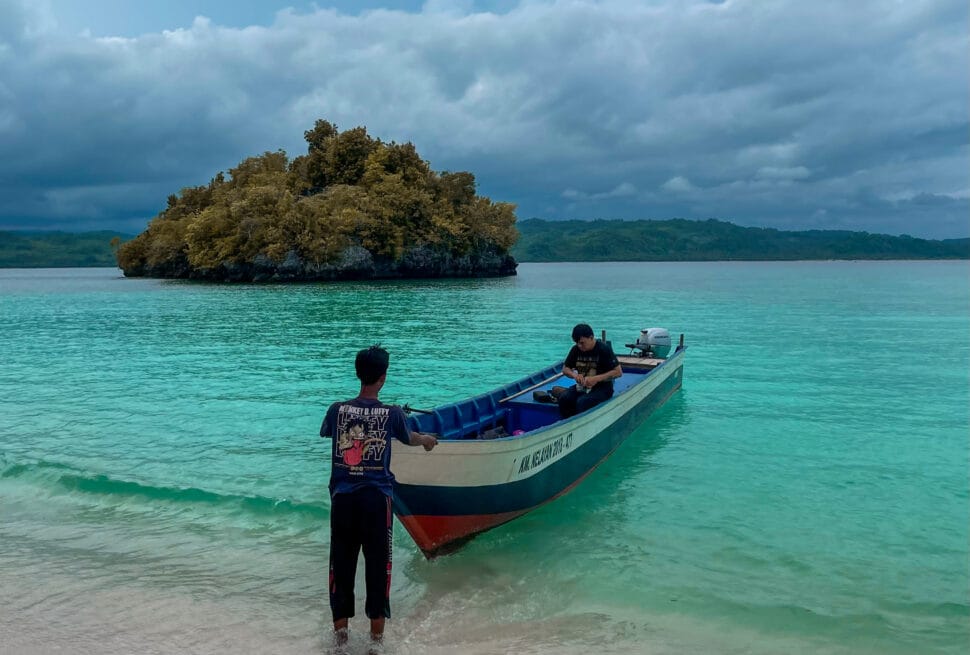
If you’ve seen Indonesia’s famous spots, consider Banggai for a different vibe. Bali has beaches, culture, and great tourist infrastructure, but it’s also crowded and commercialized. Luwuk Banggai, by contrast, is raw and underdeveloped (in a good way for explorers!). There are no luxury resorts or high rise hotels here, instead you’ll stay in homestays and explore by local boat. The reward is untouched nature, emerald lakes, empty golden beaches, towering waterfalls, and wildlife you might not see elsewhere. You can even swim off the beach on a private island all to yourself! (One trip we had virtually an entire bay and its fringes of coral reefs completely alone – a rare treat.)
Luwuk Banggai tours are still small scale. You won’t find massive tour buses or crowded souvenir shops. Tourism here is new, so prices are low and the experience is genuine. Think of it as adventure travel where you may need to be flexible with schedules (Indonesian “rubber time” is real), and you’ll definitely want travel insurance for the boat rides. But the friendliness of the people and the unspoiled setting make Banggai a hidden gem.
My Take
The Banggai Islands around Luwuk are perfect for people who want something different – a chance to get away from it all in Indonesia. With insanely beautiful lakes like Paisu Pok, remote beaches, jungle caves, and waterfalls such as Piala just minutes from Luwuk, it’s a paradise for nature lovers. Getting there involves flying to Luwuk (via Makassar) and taking daily ferries to the islands. Once there, you can join a local tour or explore at your own pace. In fact, many people simply arrange a Luwuk Banggai tour package through local contacts to cover boats, guides, and homestays.
Whether you’re coming from Jakarta or Bali, or even from Singapore (with a quick hop through Denpasar/Jakarta), the adventure of Luwuk and Banggai awaits those who seek Indonesia’s next undiscovered paradise. Bring your sense of wonder and you’ll find an island escape unlike any other. Trust me!
FAQ
You fly into Syukuran Aminuddin Amir Airport (LUW) in Luwuk (Central Sulawesi) – there are no direct international flights, so most itineraries connect through Makassar. From Luwuk you travel by road to the Banggai harbour and then take a ferry (about 4 hours to Salakan, Banggai Islands) or a speedboat to the islands.
From Luwuk town, board the daily public ferry from Pelabuhan Rakyat (People’s Port) to Leme Leme (Peleng Island) – it departs around 2pm and takes ~2 hours (fare ~IDR 50-60k). Alternatively, you can hire a private speedboat (about 1 hour each way) which costs more (roughly IDR 1.5-4 million for a round trip). The sea is usually calm, and the ferry has simple seating and bunks.
Highlights include Piala Waterfall (a multi-tiered turquoise waterfall just outside Luwuk), the bright blue Paisupok Lake and nearby Paisubatango Lagoon on Peleng Island, and white-sand beaches like Poganda, Mandel, and Kilo 5. Other attractions include tropical caves and additional falls (e.g. Dendengan, Salodik) around Luwuk. (Wildlife lovers may also spot endemic species like tarsiers and the Banggai cardinalfish.)
You’ll want at least 5 to 7 days to see the highlights. A sample 5-day plan: arrive Luwuk, catch the afternoon ferry to Salakan (Banggai Islands) on Day 1; Day 2 visit beaches (e.g. Oyama Beach, Pompon and Mandel Beaches) by speedboat; Day 3 head west on Peleng to see Paisupok Lake, Paisubatango Lagoon and Poganda Beach; Day 4 return to Luwuk early and explore Piala and other waterfalls nearby; Day 5 depart Luwuk by air. (Many travelers book a flexible tour package or local guide for smooth transfers.)
Yes, this region is generally very safe and relaxed. Travelers report a low crime rate and friendly locals. Solo travelers and families have been fine; joining an organized “open trip” or hiring a local guide can add peace of mind. As always, take normal precautions (watch your belongings, heed local advice, follow guides’ instructions), and you should have a worry-free visit.
Coverage is fairly good in main towns. Telkomsel (Indonesian operator) provides stable 3G/4G service in Luwuk and on most inhabited Banggai islands. In more remote spots or during boat trips you may lose signal, so plan accordingly. Most hotels and homestays in Luwuk, Peleng, and Banggai Laut offer usable Wi‑Fi (though outlying homestays like Leme Leme village or Mbuang-Mbuang island may have limited or no Wi‑Fi).
Follow standard travel health advice for Indonesia: be up to date on routine vaccines and consider hepatitis A and typhoid immunizations. Insect bite prevention is important as Banggai is in a malaria zone. Sulawesi’s rural areas have malaria transmission, so use repellent, nets, and consider prophylactic meds as CDC advises. Drinking bottled or treated water is wise to avoid GI bugs.
The dry season (roughly April to November) is usually best. Banggai’s weather can be a bit unpredictable, but generally you’ll avoid heavy rains in these months. Even during the wet season (December-March), showers often fall at night and days can still be mostly dry. Keep in mind some waterfalls dwindle in late dry season, so if waterfall hopping is a priority, aim for late wet or early dry season.
The local language is Bahasa Indonesia (and local dialects). English is not widely spoken in Banggai. People are friendly but may know only a few tourist phrases. It’s a good idea to download a translation app or carry a phrasebook.
Sulawesi is one of Indonesia’s main islands, located east of Borneo and south of the Philippines. It’s not in the Philippines at all, though the Banggai Islands sit close enough to feel that tropical island vibe across the border. This spot in Central Sulawesi gives you easy access from hubs like Makassar.
Absolutely, Sulawesi stands out for its wild shapes, unique wildlife like tarsiers and cardinalfish, and spots like the Banggai Islands that stay uncrowded. Skip Bali’s bustle and head here for empty beaches, blue crater lakes, and caves. It’s perfect if you want real adventure without the tourist traps.
Sulawesi shines for its bizarre K-shaped island, epic dive sites like Raja Ampat nearby, and over 500 endemic species you won’t see elsewhere. Think volcanic highs, jungle treks, and smiling locals calling it the “Land of Smiles.” Banggai adds underrated gems like Paisupok Lake to that mix.